On September 18, 2023, at around 12:30 p.m., a fire broke out in the garage of a residence in Ann Arbor, with initial investigations suggesting a possible link to a lithium-ion battery. The Ann Arbor Fire Department responded quickly to the scene at 300 Skydale Drive, finding flames and smoke in the garage. Fortunately, no one was home at the time, and there were no reported injuries. The estimated property damage from this fire is approximately $50,000, primarily involving the garage and its contents.
新聞
A fire occurred at a residential garage in Ann Arbor around 12:30 p.m. on September 18, with initial investigations suggesting a possible cause related to a lithium-ion battery.
The Ann Arbor Fire Department received the call and quickly dispatched crews to the scene at 300 Skydale Drive. Upon arrival, firefighters found flames and smoke coming from the attached garage.
Fortunately, no one was home at the time of the incident, and there were no reported injuries.
The fire is suspected to have been caused by a malfunctioning lithium-ion battery from household appliances or an electric vehicle. Overcharging, short-circuiting, or damage to lithium-ion batteries can lead to fire hazards.
While the exact financial losses have yet to be confirmed, preliminary estimates suggest damages could reach $50,000, primarily related to the garage and its contents.
To prevent similar incidents in the future, local authorities and fire departments are considering enhancing safety education and regulations surrounding lithium-ion battery use.
Additionally, installing effective fire detection systems is an effective measure to mitigate fire risks.
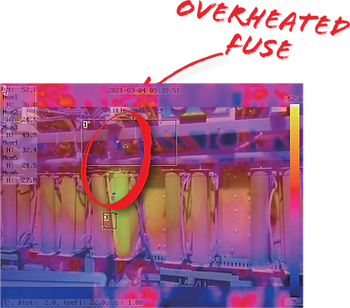
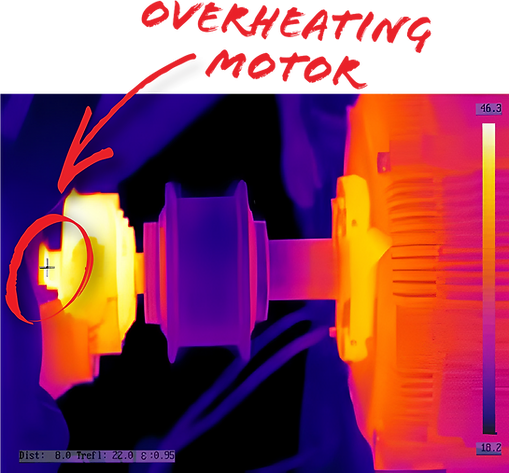
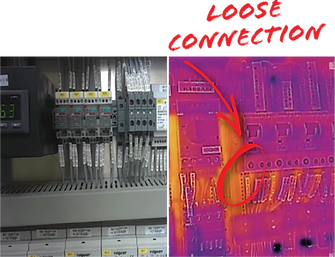
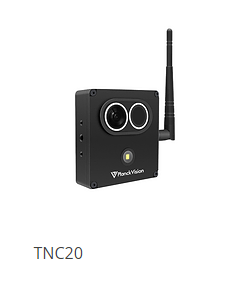
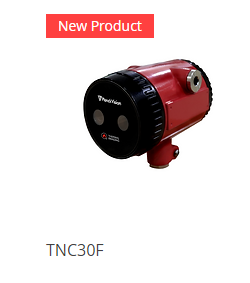
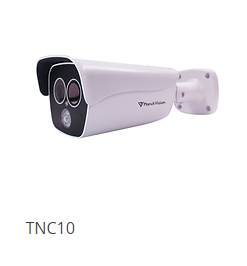
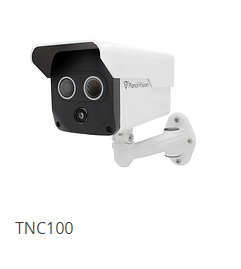
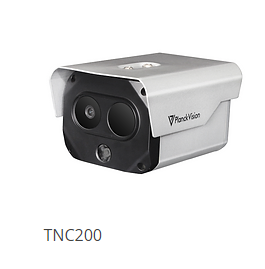
Planck Vision Systems offers thermal imaging cameras that provide 24/7 monitoring, continuously gathering and analyzing data with software that identifies trends and anomalies.
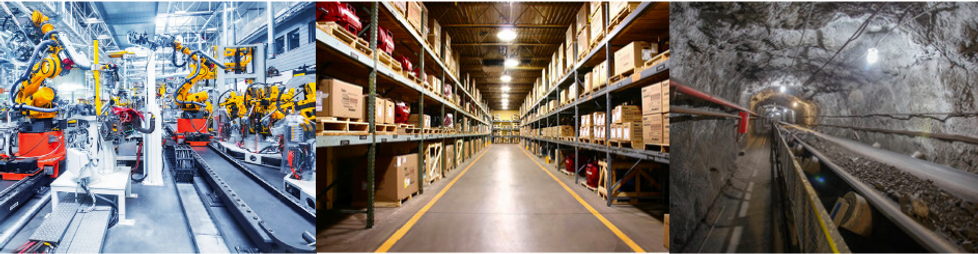
Whether utilizing fixed mount or pan/tilt drive cameras, or our advanced robotic solutions, we ensure comprehensive surveillance of large areas with clear thermal images. Trust in Planck Vision Systems to be in the right place at the right time, preventing costly, unexpected failures in infrastructure.




 繁體中文
繁體中文  English
  Deutsch
  Español
  Français
  日本語
日本語  한국어
한국어