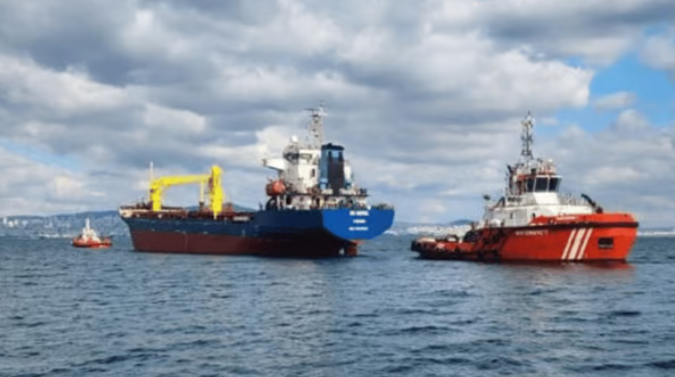
On October 31, 2024, a fire broke out in the engine room of the FG Sevil, a Turkish-registered cargo vessel, while it was en route from Yalova to Burgas, Bulgaria, near Sedef Island in the Sea of Marmara. Despite the rescue efforts of the Turkish authorities, two crew members tragically lost their lives. Twenty-three others were safely evacuated. The incident has resulted in significant financial losses, with damages estimated at $3 million. An investigation is ongoing to determine the cause of the fire.
新聞
On the morning of October 31, 2024, a fire erupted in the engine room of the FG Sevil, a general cargo vessel registered in Turkey, while it was traveling eastward through the Sea of Marmara, just off the coast of Sedef Island, near Istanbul. The ship had departed from Yalova, a port city in Turkey, and was headed to Burgas, Bulgaria.
The fire began unexpectedly while the vessel was navigating through calm waters. Maritime authorities in Turkey, including the Directorate General of Coastal Safety (KEGM), immediately responded to the emergency. Various rescue vessels were dispatched to the scene, including KEGM-4, along with tugboats Kurtarma 7 and Sark. These vessels worked together to help evacuate the crew members and contain the fire.
Despite these efforts, two of the ship’s crew members were found unresponsive in the engine room and were later confirmed dead. The fire had spread quickly, and the engine room was completely engulfed before the emergency teams could reach it. Fortunately, 23 other personnel, including 17 crew members and 8 workers from a local shipyard, were safely evacuated by the KEGM vessels.
After the fire was controlled, the FG Sevil was towed to a secure anchorage for further investigation. While the cause of the fire remains under investigation, initial reports indicate it could be related to mechanical failure or electrical malfunction in the engine room. KEGM has launched a thorough inquiry into the cause of the tragedy, which will be vital in preventing similar incidents in the future.
As for the financial impact, the estimated losses due to the fire and the damage sustained by the ship and its cargo are believed to be significant, with initial figures suggesting a loss of around $3 million. This includes damage to the vessel, the cargo, and the potential disruption to international shipping schedules. In maritime incidents such as this, the cost of damaged goods, ship repairs, and operational delays can add up quickly.
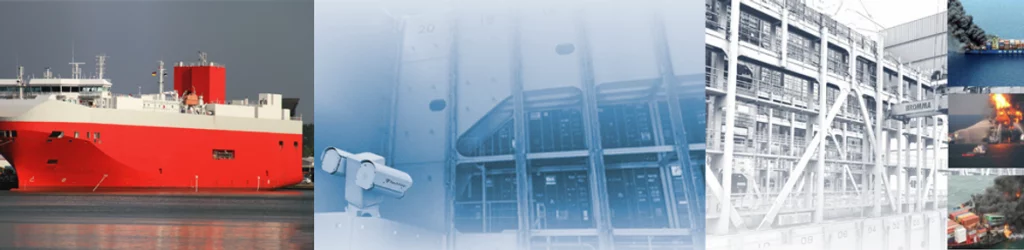
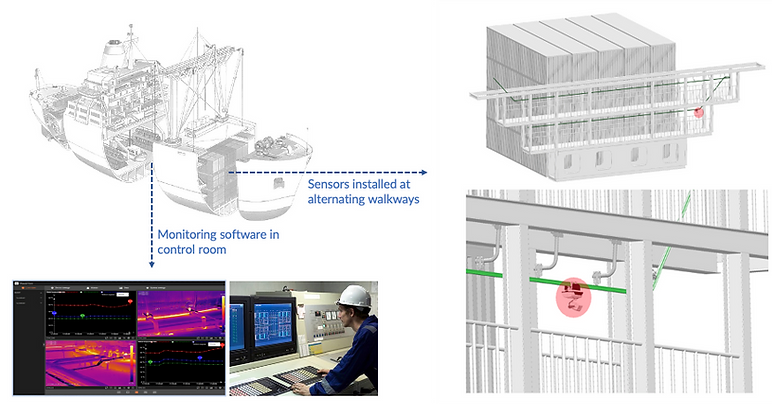
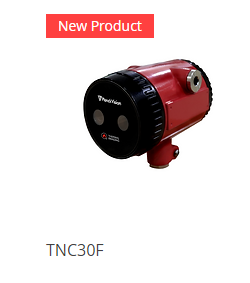
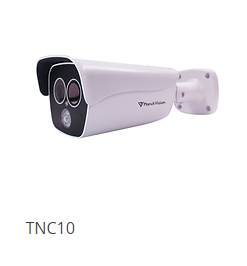
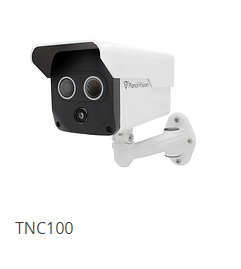
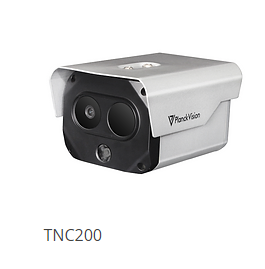
In the maritime industry, early fire detection is crucial for avoiding such tragedies. Planck Vision Systems offers advanced thermal imaging cameras like the TRX600, TNC20 fixed mount, and TNC400PT to provide comprehensive surveillance of cargo ships. These systems continuously monitor for unusual heat patterns that could indicate fire risks long before visible flames appear. Detecting irregularities early can significantly reduce the chances of fire escalation, prevent loss of life, and minimize damage to assets. If the FG Sevil had such early detection systems, it could have alerted the crew to an impending fire before it reached catastrophic levels.
For FG Sevil and other vessels, integrating thermal imaging technology into their safety protocols would enhance fire risk management and protect the crew and valuable cargo, even in the unpredictable and harsh conditions of maritime transport.



 繁體中文
繁體中文  English
  Deutsch
  Español
  Français
  日本語
日本語  한국어
한국어