On November 24, 2024, a Sukhoi Superjet 100 operated by Azimuth Airlines caught fire after landing at Antalya Airport in Turkey. The fire occurred in the left engine shortly after the aircraft arrived from Sochi, Russia. All 89 passengers and 6 crew members were safely evacuated, and no injuries were reported. Investigations by Russian authorities are underway to determine the cause of the fire and the operational status of the aircraft. The incident is estimated to have caused $4 to $6 million in damages.
新聞
On Saturday, November 9, 2024, an explosion occurred in Beirut’s bustling Hamra district, leading to a devastating fire that spread quickly across the area. The explosion, believed to have been caused by an electrical generator, ignited several cars in a nearby parking lot. Video footage captured scenes of parked vehicles engulfed in flames, with the fire rapidly intensifyinOn the evening of November 24, 2024, a significant incident occurred when a Sukhoi Superjet 100-95LR, operated by Azimuth Airlines, caught fire shortly after landing at Antalya Airport in Turkey.
The aircraft, registered as RA-89085, had completed its third flight of the day from Sochi, Russia to Antalya. Upon landing at around 21:34 local time, the crew noticed a fire in the left engine, which led to an immediate emergency response. Video footage shared on social media showed flames and smoke pouring from the engine, as emergency services rushed to extinguish the fire.
The crew acted quickly, and the Turkish Ministry of Transport confirmed that an emergency call was made due to the fire. All passengers and crew were promptly evacuated using emergency slides, and no injuries were reported. Emergency crews from the Antalya Fire Department deployed foam to control and extinguish the fire. To ensure safety, airport operations were temporarily suspended, with all incoming flights halted until 03:00 local time. The affected aircraft was towed away, and the runway was cleared for regular operations to resume.
This incident highlights the challenges of dealing with in-flight emergencies and underscores the critical need for early fire detection in modern aviation. Aircraft fires, especially those involving engines, can escalate rapidly, potentially causing significant damage or even loss of life. The ability to detect fire risks before they reach an advanced stage is crucial for maintaining aviation safety.
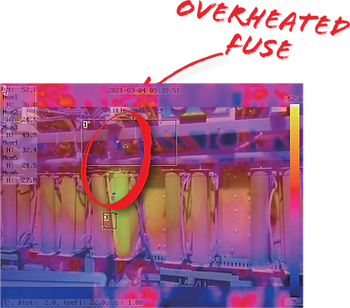
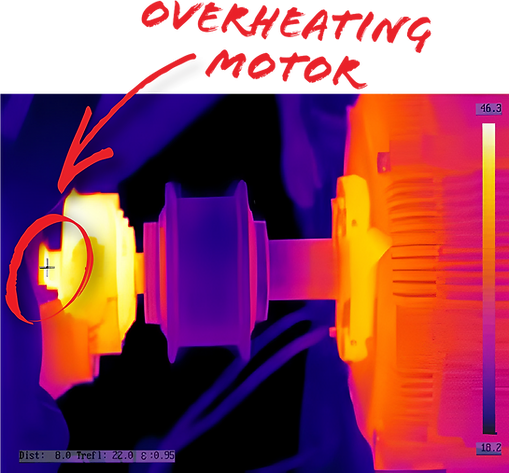
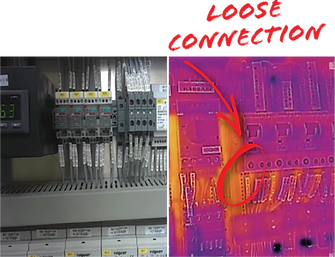
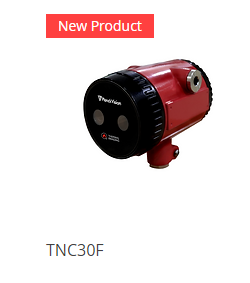
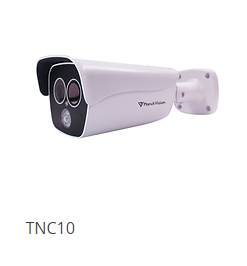
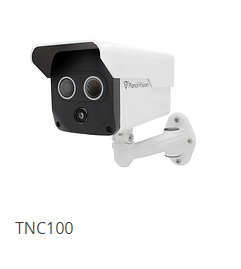
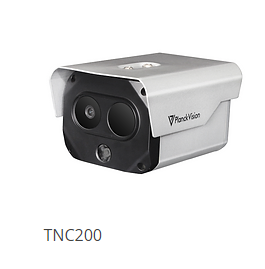
Planck Vision Systems provides advanced thermal imaging technology that can detect temperature anomalies long before visible signs of smoke or flames appear. Such systems can help prevent catastrophic events by giving crews the ability to respond to abnormal heat conditions quickly, potentially saving lives and reducing property damage.
The aircraft involved in the incident is a seven-year-old Sukhoi Superjet 100, which has experienced issues in the past. In October 2024, the same aircraft made an emergency landing in Vnukovo due to a hydraulic leak, raising concerns about its ongoing maintenance and safety. As investigations by Russian aviation authorities, including Rosaviatsiya, continue, questions remain about the operational history and future safety protocols for this aircraft.
Russian authorities have launched an official investigation into the fire and the circumstances surrounding the event. The Southern Transport Prosecutor’s Office is involved in assessing the cause of the fire and ensuring that all relevant safety standards were met. The Russian Consulate in Antalya is also assisting Russian nationals, particularly those who lost important documents such as passports during the evacuation process.
This event serves as an important reminder of the need for continuous monitoring and improvement of aviation safety protocols. Authorities, aviation companies, and equipment manufacturers must prioritize the development and implementation of technologies that can detect fires at the earliest stages, mitigating potential risks and ensuring the safety of passengers and crew.



 繁體中文
繁體中文  English
  Deutsch
  Español
  Français
  日本語
日本語  한국어
한국어