
Planck Vision Systems manufactures thermal imaging solutions for portable inspection and 24/7 monitoring of commercial applications including: Early Fire Detection, Manufacturing, Substations and Tunnels, Electrical Panel/Cabinets, Storage Facilities, Data Centers and Elevated Body Temperature Screening. Our company is headquartered in Santa Barbara CA, the capital of infrared sensing technologies in the United States.
On Friday, November 1, 2024, around 3:10 a.m., a significant fire broke out at the Padnos Recycling Center in Livonia when a high-voltage power line fell onto the facility. The incident involved 70 to 100 vehicles and resulted in an estimated $500,000 in damages. Fire crews managed to contain the flames quickly, preventing a disaster despite concerns about hazardous materials. As of 10 a.m., power in the area remained out due to the fallen line.

NEWS
On the morning of November 1, 2024, a large fire erupted at the Padnos Recycling Center located in Livonia, Michigan. The blaze began around 3:10 a.m. when a high-voltage power line fell onto the facility, igniting a massive fire involving between 70 and 100 vehicles stored at the site. Fire officials quickly responded to the incident, and Livonia Public Safety urged drivers to avoid the area due to the ongoing fire and smoke.
As firefighters battled the flames, there were initial concerns about hazardous materials present at the recycling center. However, Livonia Deputy Fire Chief Wade Clay stated that the center’s monitoring systems played a crucial role in averting a disaster. The monitoring system was able to detect rising temperatures near the fallen power line, allowing crews to respond quickly and efficiently. “It was their monitoring systems that oversee the oil and gas where they hold it after scrapping a car out,” Clay explained.
Despite the significant fire, which led to extensive damage estimated at around $500,000, there were no injuries reported. The quick and diligent work of the fire crews ensured that the fire was contained before it could spread further. By 10 a.m. on Friday, power remained out in the area, affecting local residents and businesses due to the fallen line.
This incident underscores the importance of effective fire detection and monitoring systems in industrial settings. The ability to quickly identify potential hazards can prevent devastating losses and ensure the safety of employees and the surrounding community. Advanced technologies, such as thermal imaging systems, can significantly enhance the safety protocols in place at such facilities.
source: audacy.com
Scalable Solutions for Early Fire Detection
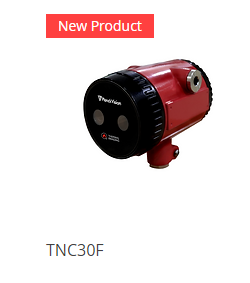
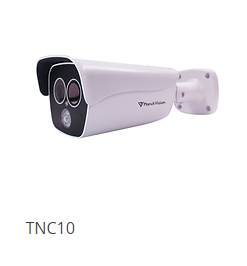
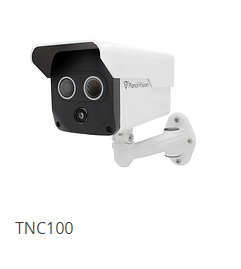
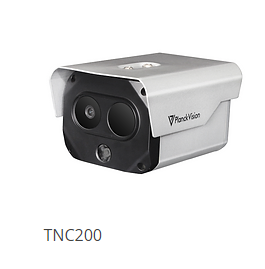
For early fire detection, Planck Vision TNC thermal imaging cameras are far superior to traditional systems that can alert to fire only after the visible consequences of smoke and flame are present. TNC cameras can help to prevent the destruction of goods and loss of life by surveilling for abnormal heat conditions before fires erupt.
Top 6 Advantages of Planck Vision Thermal Cameras:
Industry-Leading Sensitivity: Our cameras easily identify dangerous pre-flame conditions and post-flame hotspots, providing early warnings to prevent extensive damage.
Customizable Options: With a wide selection of sensor resolution and lens optics, we tailor our cameras to suit specific surveillance needs, ensuring optimal performance for every application.
Dual Thermal/Visible Cameras: Combining thermal and visible cameras in one unit enhances situational awareness, allowing for comprehensive monitoring and swift response to potential threats.
Easy Installation and Operation: Our IP cameras are designed for seamless integration into your local network, simplifying installation and operation for enhanced efficiency.
User-Programmed Analytics: With analytics running on Edge, our systems offer the best reliability, empowering users to customize monitoring parameters for precise threat detection.
On-Camera Head Relays: Control is placed where it’s needed most with on-camera head relays, facilitating quick adjustments and interventions in critical situations.


 English
  繁體中文
繁體中文  Deutsch
  Español
  Français
  日本語
日本語  한국어
한국어