Planck Vision Systems manufactures thermal imaging solutions for portable inspection and 24/7 monitoring of commercial applications including: Early Fire Detection, Manufacturing, Substations and Tunnels, Electrical Panel/Cabinets, Storage Facilities, Data Centers and Elevated Body Temperature Screening. Our company is headquartered in Santa Barbara CA, the capital of infrared sensing technologies in the United States.
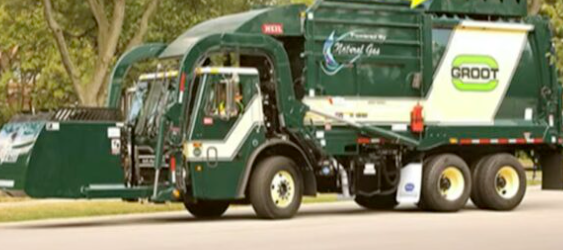
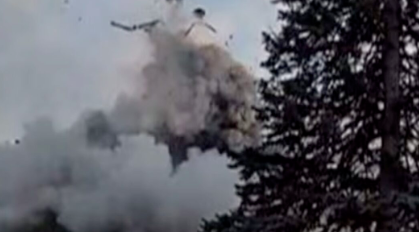
On December 6, 2024, a garbage truck fire in Arlington Heights, Illinois, quickly escalated into a major explosion, injuring several firefighters and police officers, damaging homes, and scattering debris. The fire started when a resident improperly disposed of a lithium-ion battery. The truck, powered by compressed natural gas (CNG), exploded after the pressure relief valves failed. The damage caused by the explosion is still being assessed, with significant property damage and injuries. The fire department responded within five minutes.
NEWS
On December 6, 2024, a garbage truck in Arlington Heights, Illinois, was involved in a fire that quickly escalated into a catastrophic explosion. The fire began during the truck’s normal Friday rounds, and the fire department was dispatched to the scene within five minutes of the call. When firefighters arrived, flames were shooting five feet into the air from the rear of the truck. They began their firefighting efforts using hoses and water, but within four minutes, the situation took a drastic turn.
The truck was powered by compressed natural gas (CNG), stored in five carbon-fiber-wrapped cylinders on the roof of the vehicle. These cylinders had pressure relief valves designed to vent gas at temperatures between 212°F and 220°F (100°C – 140°C), preventing the tanks from exploding. However, in this case, the pressure relief valves failed, leading to a catastrophic explosion.
The explosion injured several firefighters and police officers and caused extensive damage to nearby homes, with debris scattered throughout the neighborhood. The blast also briefly interrupted local train services. Fortunately, the fire department’s rapid response prevented further spread of the fire, and all injuries were reported as non-life-threatening.
Authorities now believe that the root cause of the fire was improper disposal of a lithium-ion battery by a local resident, which ignited the truck’s contents. This incident has raised concerns over the safe disposal of hazardous materials, particularly batteries, which are known to cause fires when not disposed of correctly.
The explosion has led to significant damage, although exact financial losses are still being assessed. Preliminary estimates suggest the damage could reach several hundred thousand dollars, including property destruction and vehicle damage. The event has also prompted a broader discussion about safety protocols for garbage trucks and proper waste disposal practices.
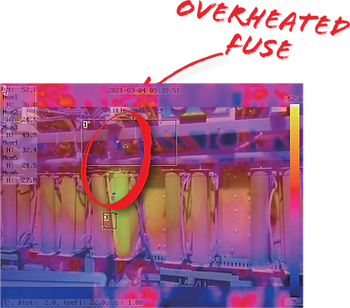
For early fire detection, Planck Vision Systems’ thermal imaging technology is designed to monitor temperature changes and spot irregular heat patterns long before fires erupt. In this case, an early detection system could have identified the overheating or stress on the CNG cylinders, preventing the catastrophic explosion and minimizing the damage.
With Planck Vision’s advanced thermal imaging technology, industries can prevent incidents like this, saving lives, protecting property, and reducing the risk of hazardous explosions. Early detection is key to avoiding catastrophic outcomes.
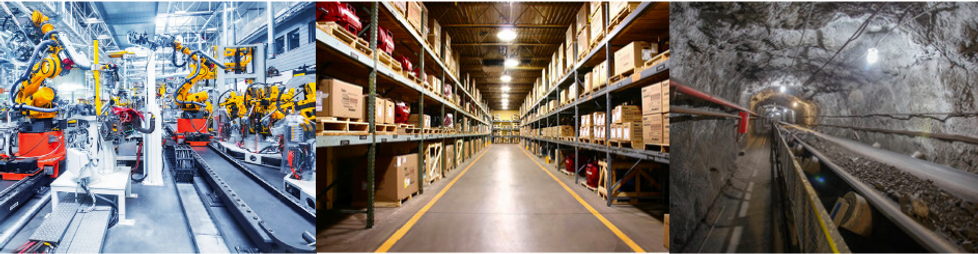
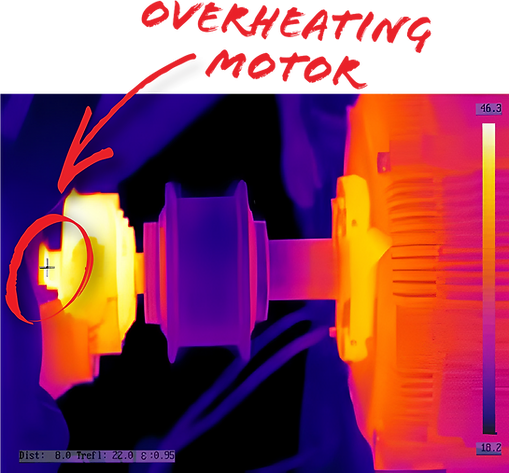
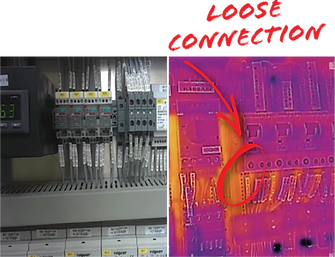
For Heavy Industry, Planck Vision Systems leads with superior thermal imaging tailored for diverse industries. Beyond detecting minute temperature variations, our always-on technology ensures system protection, operational excellence, and catches every anomaly. This vigilance minimizes risks, preempting system failures and potential threats.



 English
  繁體中文
繁體中文  Deutsch
  Español
  Français
  日本語
日本語  한국어
한국어