
Planck Vision Systems manufactures thermal imaging solutions for portable inspection and 24/7 monitoring of commercial applications including: Early Fire Detection, Manufacturing, Substations and Tunnels, Electrical Panel/Cabinets, Storage Facilities, Data Centers and Elevated Body Temperature Screening. Our company is headquartered in Santa Barbara CA, the capital of infrared sensing technologies in the United States.
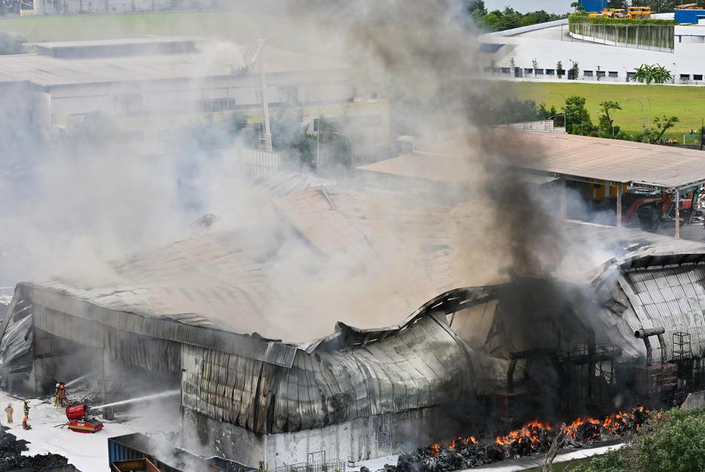
A fire broke out at a recycling centre’s warehouse in Kranji, Singapore, on February 19, 2025, around 10:30 AM. Firefighters battled the blaze for four days before it was completely extinguished on February 23. The fire, caused by waste materials, led to an estimated damage of $1 million. During the operation, multiple firefighting resources, including water jets, unmanned machines, and aerial vehicles, were deployed. Local mobile subscribers received alerts to avoid the area. Investigations into the cause are ongoing.
NEWS
A significant fire broke out at a recycling centre’s warehouse located at 11 Kranji Crescent in Singapore on February 19, 2025, around 10:30 AM. The fire ignited in a pile of waste materials, and the Singapore Civil Defence Force (SCDF) was immediately dispatched to the scene to combat the blaze. The situation quickly escalated, with firefighters working tirelessly around the clock to contain the fire.
Despite their best efforts, the fire continued to burn deep within the heaps of waste, requiring continuous attention and multiple firefighting resources to control. By the evening of February 19, six water jets, four unmanned firefighting machines, and an aerial vehicle were deployed to manage the situation. By 7 PM that day, the majority of the fire had been contained, but it took a further four days of constant firefighting efforts to fully extinguish the remaining flames.
The fire caused significant damage to the recycling centre’s property, with an estimated loss of $1 million. As part of the fire response efforts, the local mobile subscribers of M1, StarHub, and Singtel in the vicinity received alerts via the SGSecure app to steer clear of the area, ensuring public safety.
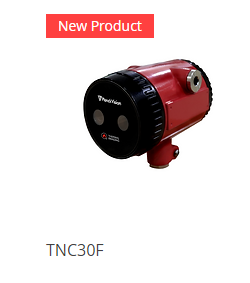
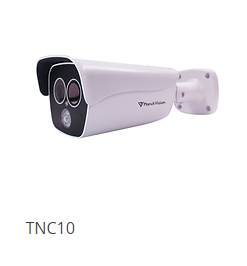
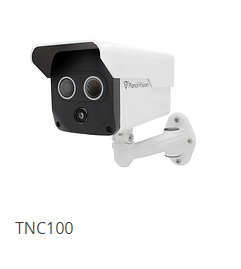
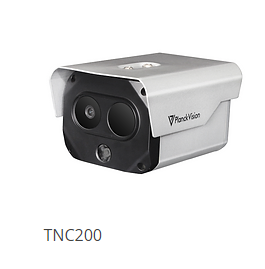
This incident highlights the importance of early fire detection systems, which can significantly reduce the damage caused by fires. Traditional fire alarm systems often only provide alerts after visible smoke and flames have already appeared. However, advanced systems like the Planck Vision TNC thermal imaging cameras can detect abnormal heat conditions before a fire fully ignites, helping to prevent significant property destruction and potential loss of life. Early detection is critical for minimizing the impact of fires and ensuring swift response.
source: straitstimes.com
Scalable Solutions for Early Fire Detection
For early fire detection, Planck Vision TNC thermal imaging cameras are far superior to traditional systems that can alert to fire only after the visible consequences of smoke and flame are present. TNC cameras can help to prevent the destruction of goods and loss of life by surveilling for abnormal heat conditions before fires erupt.
Top 6 Advantages of Planck Vision Thermal Cameras:
Industry-Leading Sensitivity: Our cameras easily identify dangerous pre-flame conditions and post-flame hotspots, providing early warnings to prevent extensive damage.
Customizable Options: With a wide selection of sensor resolution and lens optics, we tailor our cameras to suit specific surveillance needs, ensuring optimal performance for every application.
Dual Thermal/Visible Cameras: Combining thermal and visible cameras in one unit enhances situational awareness, allowing for comprehensive monitoring and swift response to potential threats.
Easy Installation and Operation: Our IP cameras are designed for seamless integration into your local network, simplifying installation and operation for enhanced efficiency.
User-Programmed Analytics: With analytics running on Edge, our systems offer the best reliability, empowering users to customize monitoring parameters for precise threat detection.
On-Camera Head Relays: Control is placed where it’s needed most with on-camera head relays, facilitating quick adjustments and interventions in critical situations.



 English
  繁體中文
繁體中文  Deutsch
  Español
  Français
  日本語
日本語  한국어
한국어