
Planck Vision Systems manufactures thermal imaging solutions for portable inspection and 24/7 monitoring of commercial applications including: Early Fire Detection, Manufacturing, Substations and Tunnels, Electrical Panel/Cabinets, Storage Facilities, Data Centers and Elevated Body Temperature Screening. Our company is headquartered in Santa Barbara CA, the capital of infrared sensing technologies in the United States.
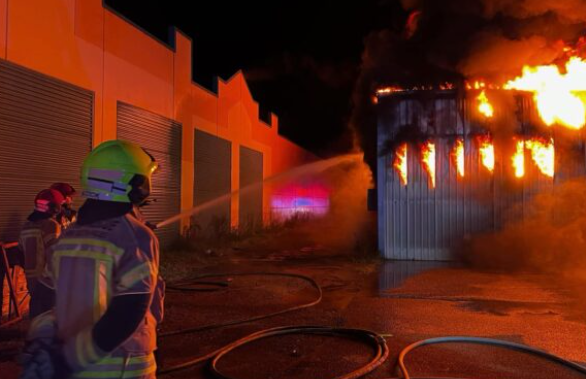
On October 10, 2024, at approximately 11 PM, a significant fire erupted at a furniture factory in Kurri Kurri, leading to estimated damages of $2 million. The blaze was reported shortly after 11 PM and required the response of over 60 firefighters from various regions. Authorities are currently investigating the cause of the fire, which is suspected to have originated from outside the property. One firefighter was treated for heat exhaustion during the operation.
NEWS
On the night of October 10, 2024, at approximately 11 PM, a significant fire broke out at a furniture factory located on Northcotte Street in Kurri Kurri. Emergency services, including Fire and Rescue NSW (FRNSW) and police personnel, were promptly dispatched to the scene. Upon arrival, they discovered an industrial shed fully engulfed in flames.
Over 60 firefighters and 15 firefighting trucks, representing various stations from the Greater Hunter Region and beyond, worked tirelessly to combat the blaze. Their efforts were commendable, successfully preventing damage to a nearby storage facility on the west side.
However, the firefighting effort was challenged when the roof of the building collapsed, creating additional hazards. By 3:15 AM on October 11, the firefighters had managed to bring the situation under control, although they remained on-site to ensure safety and extinguish any remaining hotspots.
Regrettably, one firefighter suffered from heat exhaustion and received treatment from NSW Ambulance paramedics. In addition, specialists from FRNSW Hazmat monitored air quality and addressed environmental concerns related to firefighting water runoff.
Investigations are currently underway to determine the cause of the fire, with preliminary findings indicating it may have originated from outside the property. The estimated damages from this incident are around $1 million.
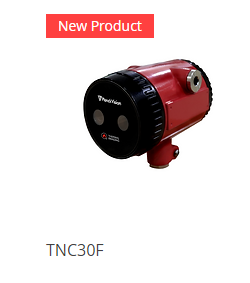
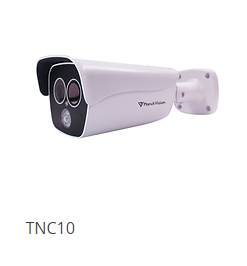
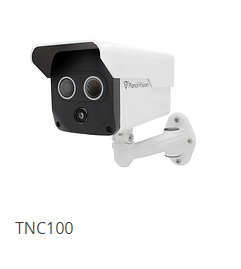
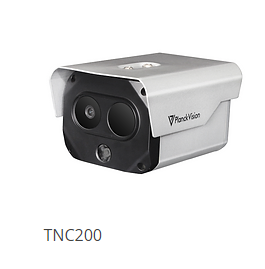
In light of such incidents, the importance of early fire detection cannot be overstated. For instance, Planck Vision TNC thermal imaging cameras are far superior to traditional systems, which often react only after visible smoke and flames appear.
These advanced cameras can detect abnormal heat conditions before a fire erupts, thereby potentially preventing significant losses in both goods and human life.
source: newcastleweekly.com.au
Scalable Solutions for Early Fire Detection
For early fire detection, Planck Vision TNC thermal imaging cameras are far superior to traditional systems that can alert to fire only after the visible consequences of smoke and flame are present. TNC cameras can help to prevent the destruction of goods and loss of life by surveilling for abnormal heat conditions before fires erupt.
Top 6 Advantages of Planck Vision Thermal Cameras:
Industry-Leading Sensitivity: Our cameras easily identify dangerous pre-flame conditions and post-flame hotspots, providing early warnings to prevent extensive damage.
Customizable Options: With a wide selection of sensor resolution and lens optics, we tailor our cameras to suit specific surveillance needs, ensuring optimal performance for every application.
Dual Thermal/Visible Cameras: Combining thermal and visible cameras in one unit enhances situational awareness, allowing for comprehensive monitoring and swift response to potential threats.
Easy Installation and Operation: Our IP cameras are designed for seamless integration into your local network, simplifying installation and operation for enhanced efficiency.
User-Programmed Analytics: With analytics running on Edge, our systems offer the best reliability, empowering users to customize monitoring parameters for precise threat detection.
On-Camera Head Relays: Control is placed where it’s needed most with on-camera head relays, facilitating quick adjustments and interventions in critical situations.



 English
  繁體中文
繁體中文  Deutsch
  Español
  Français
  日本語
日本語  한국어
한국어