Planck Vision Systems manufactures thermal imaging solutions for portable inspection and 24/7 monitoring of commercial applications including: Early Fire Detection, Manufacturing, Substations and Tunnels, Electrical Panel/Cabinets, Storage Facilities, Data Centers and Elevated Body Temperature Screening. Our company is headquartered in Santa Barbara CA, the capital of infrared sensing technologies in the United States.
A fire broke out aboard the Grande Brasile cargo ship in the English Channel on February 19, 2025, around 09:35 GMT. The ship, en route from Antwerp to Le Havre, was 15 miles off the coast of Ramsgate when the fire was reported. The blaze was contained to a single deck, and no injuries were reported. French and Dutch vessels assisted in the operation. The estimated financial loss due to the fire is around $3 million.
NEWS
On February 19, 2025, a cargo ship named Grande Brasile, sailing in the English Channel, was engulfed in flames while 15 miles off the coast of Ramsgate. The incident, which occurred around 09:35 GMT, prompted immediate action from coastguard and lifeboat crews. The Grande Brasile was en route from Antwerp, Belgium, to Le Havre, France, when the fire broke out.
The fire was quickly contained to a single deck of the ship, limiting its spread. The ship, a Malta-flagged vessel, was carrying out routine operations when the fire started. Thankfully, no injuries have been reported by the coastguard. Firefighting support came from a French towing vessel equipped with firefighting capabilities, along with Dutch fixed-wing aircraft that were also tasked with assisting in the operation.
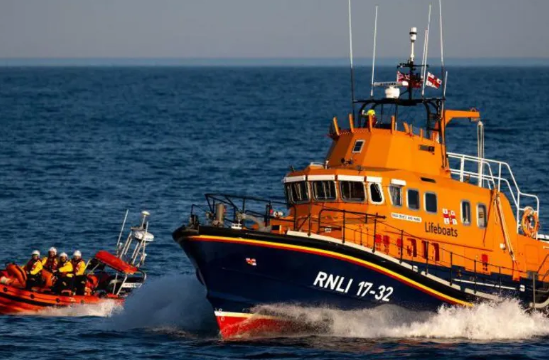
The Royal National Lifeboat Institution (RNLI) was also called to assist, but their lifeboats were stood down and returned to shore by 10:05 GMT after the situation was under control.
While no injuries were sustained, the fire caused significant damage to the vessel. The estimated loss due to the fire is about $3 million, factoring in damages to the ship, cargo, and the cost of the firefighting operation. The event serves as a reminder of the importance of early fire detection systems on cargo ships.
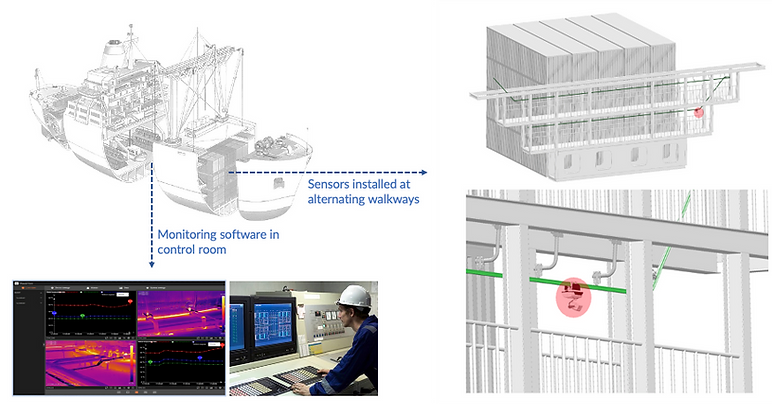
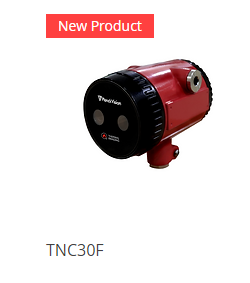
For cargo vessels like the Grande Brasile, proactive measures like the use of thermal imaging cameras can be crucial in detecting potential fire risks before they escalate. Systems such as Planck Vision’s TRX600, TNC20, and TNC400PT are designed to monitor heat anomalies and detect unusual patterns well in advance, offering enhanced safety and risk management for maritime transport.
Onboard monitoring systems capable of identifying heat signatures and abnormal conditions play a key role in mitigating potential disasters, saving lives, and protecting valuable cargo. In an industry where the risks of fire are high, early detection is crucial in minimizing damage and ensuring the safety of both crew and goods.
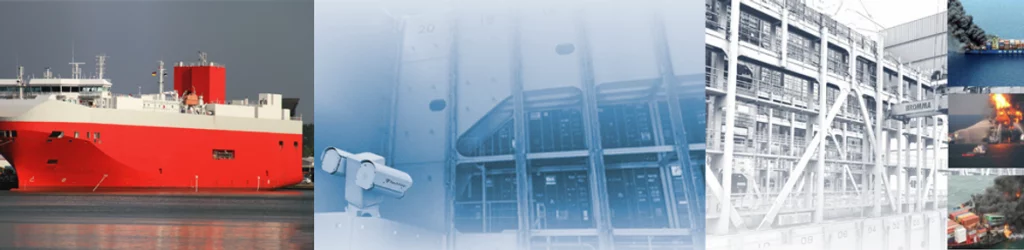
For cargo ships, Planck Vision Systems offers unparalleled protection solutions utilizing the advanced TRX600, TNC20 fixed mount, and the TNC400PT thermal imaging cameras. Designed for relentless monitoring and meticulous data analysis, our equipment is your sentinel in the demanding conditions of maritime transport. Our systems’ perpetual oversight detects crucial trends and irregularities, providing a fortified layer of defense against threats to cargo safety and integrity. Whether navigating tranquil or turbulent seas, rely on Planck Vision Systems for steadfast cargo protection, mitigating losses and shielding assets from the unforeseen.



 English
  繁體中文
繁體中文  Deutsch
  Español
  Français
  日本語
日本語  한국어
한국어