
Planck Vision Systems manufactures thermal imaging solutions for portable inspection and 24/7 monitoring of commercial applications including: Early Fire Detection, Manufacturing, Substations and Tunnels, Electrical Panel/Cabinets, Storage Facilities, Data Centers and Elevated Body Temperature Screening. Our company is headquartered in Santa Barbara CA, the capital of infrared sensing technologies in the United States.
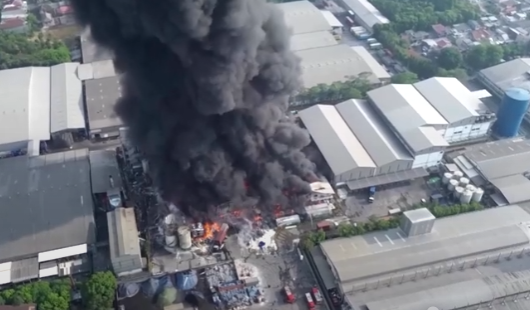
On November 1, 2024, a significant fire broke out at a cooking oil factory operated by PT Primus Sanus in Bekasi, near Jakarta, resulting in the tragic deaths of eight people. The fire prompted a major response from local fire authorities, with around 20 firefighting trucks deployed to the site. While the blaze was contained in most areas of the factory, three additional individuals sustained injuries. Local authorities are currently investigating the cause of the fire, and estimated damages are around $500,000.
NEWS
On November 1, 2024, a large fire erupted at a cooking oil factory in Bekasi, a city located on the eastern edge of Jakarta, Indonesia. The fire broke out during the early hours of the morning, resulting in a devastating incident that claimed the lives of eight individuals. Local fire authorities, led by Suhartono, head of Bekasi’s fire department, reported that the fire spread rapidly, engulfing several areas of the factory operated by PT Primus Sanus Cooking Oil Industrial (Priscolin).
Around 20 firefighting trucks were deployed to the scene, and firefighters worked tirelessly to contain the blaze. Video footage from local media outlet Metro TV depicted dramatic scenes of flames and thick black smoke billowing from the factory building, prompting road closures in the surrounding area.
Despite the efforts of the firefighters, the incident resulted in multiple casualties, with eight bodies recovered from the site. Additionally, three other individuals sustained injuries, and authorities warned that the casualty count could rise as investigations continue. The exact cause of the fire remains under investigation by local authorities.
The estimated damages from the fire are significant, with losses projected at around $500,000. This incident highlights the critical importance of fire safety measures in industrial settings. Early fire detection technologies, such as thermal imaging cameras, play a vital role in preventing such tragedies by detecting abnormal heat conditions before fires escalate. Implementing these systems can greatly reduce the risk of loss of life and property, underscoring the need for enhanced safety protocols in factories.
source: reuters.com
Scalable Solutions for Early Fire Detection
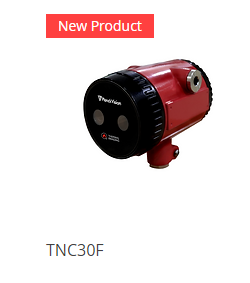
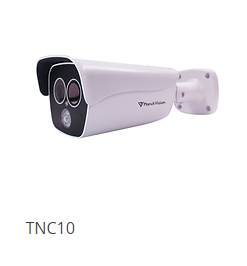
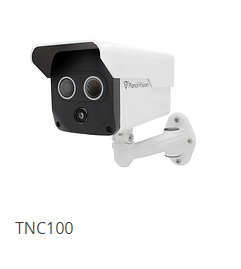
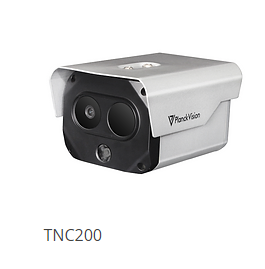
For early fire detection, Planck Vision TNC thermal imaging cameras are far superior to traditional systems that can alert to fire only after the visible consequences of smoke and flame are present. TNC cameras can help to prevent the destruction of goods and loss of life by surveilling for abnormal heat conditions before fires erupt.
Top 6 Advantages of Planck Vision Thermal Cameras:
Industry-Leading Sensitivity: Our cameras easily identify dangerous pre-flame conditions and post-flame hotspots, providing early warnings to prevent extensive damage.
Customizable Options: With a wide selection of sensor resolution and lens optics, we tailor our cameras to suit specific surveillance needs, ensuring optimal performance for every application.
Dual Thermal/Visible Cameras: Combining thermal and visible cameras in one unit enhances situational awareness, allowing for comprehensive monitoring and swift response to potential threats.
Easy Installation and Operation: Our IP cameras are designed for seamless integration into your local network, simplifying installation and operation for enhanced efficiency.
User-Programmed Analytics: With analytics running on Edge, our systems offer the best reliability, empowering users to customize monitoring parameters for precise threat detection.
On-Camera Head Relays: Control is placed where it’s needed most with on-camera head relays, facilitating quick adjustments and interventions in critical situations.



 English
  繁體中文
繁體中文  Deutsch
  Español
  Français
  日本語
日本語  한국어
한국어