Planck Vision Systems manufactures thermal imaging solutions for portable inspection and 24/7 monitoring of commercial applications including: Early Fire Detection, Manufacturing, Substations and Tunnels, Electrical Panel/Cabinets, Storage Facilities, Data Centers and Elevated Body Temperature Screening. Our company is headquartered in Santa Barbara CA, the capital of infrared sensing technologies in the United States.
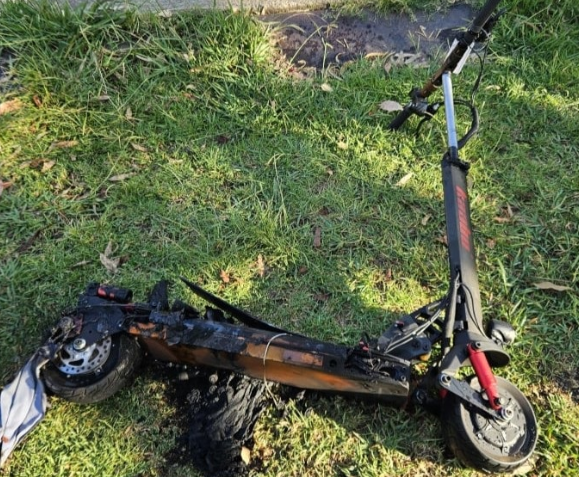
On the morning of February 19, 2025, a fatal fire broke out in a house on Rowley Road in the Guildford area of Sydney. The fire was likely caused by an e-bike battery left on an incompatible charger overnight. One man was found dead at the scene, and five others had already evacuated. Investigations suggest that the battery overheated due to the charger’s incompatibility. This marks the latest in a series of lithium-ion battery-related fires in New South Wales, with significant damage reported.
NEWS
On the morning of February 19, 2025, emergency services in Sydney responded to a fire at a house located on Rowley Road, Guildford. Authorities arrived around 5 a.m. to find that the fire had already trapped one man in his bedroom. Despite efforts to rescue him, the man was declared dead at the scene. Five other individuals had already evacuated the home, but the house did not have working smoke alarms, which could have saved precious time.
According to Fire and Rescue New South Wales (FRNSW), investigations pointed to the e-bike battery in the deceased man’s room as the likely cause of the fire. The battery had been left on an incompatible charger overnight. As a result, it was unable to absorb the energy generated by the charger and overheated, likely igniting the fire.
This tragedy is part of a concerning trend in New South Wales, where lithium-ion battery fires are on the rise. There have been at least 28 confirmed lithium-ion battery fires in the state since the beginning of 2025, and a sharp increase in such incidents has been observed over the past few years. In fact, the number of reported lithium-ion battery fires in NSW rose from 165 in 2022 to 272 in 2023 and 323 in 2024.
The estimated damage caused by this fire is around $500,000, considering the destruction of the property and contents within the home. With a surge in these types of incidents, it’s critical to address the importance of early fire detection, especially in households where lithium-ion batteries are commonly used.
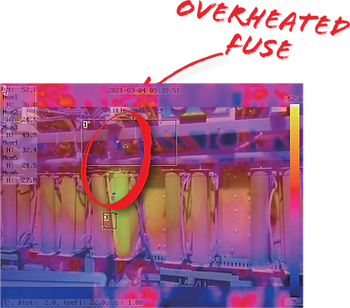
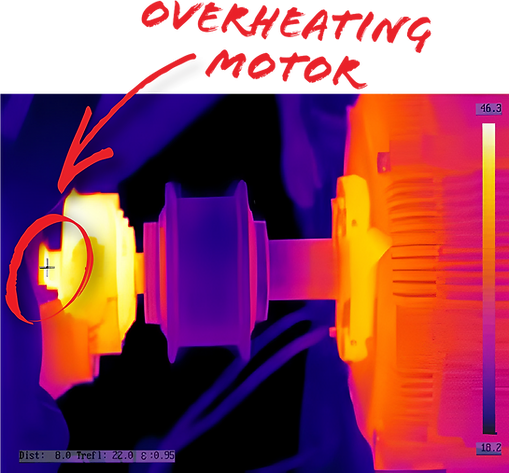
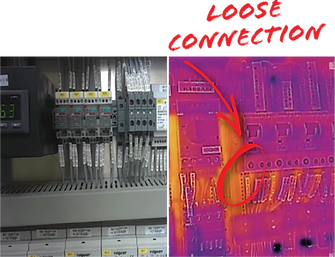
Planck Vision Systems offers advanced thermal imaging technology that can help prevent such tragedies. By detecting temperature anomalies before fires erupt, Planck Vision Systems’ continuous monitoring systems can alert individuals to potential risks, preventing catastrophic damage and loss of life.
Lithium-ion batteries, while commonly used in everyday devices, can pose significant risks if not handled correctly. Overheating, damage, or incorrect charging can lead to battery explosions and fires, as seen in this unfortunate event. Early detection of such risks is crucial for protecting lives and property.
For Heavy Industry, Planck Vision Systems leads with superior thermal imaging tailored for diverse industries. Beyond detecting minute temperature variations, our always-on technology ensures system protection, operational excellence, and catches every anomaly. This vigilance minimizes risks, preempting system failures and potential threats.





 English
  繁體中文
繁體中文  Deutsch
  Español
  Français
  日本語
日本語  한국어
한국어