
Planck Vision Systems manufactures thermal imaging solutions for portable inspection and 24/7 monitoring of commercial applications including: Early Fire Detection, Manufacturing, Substations and Tunnels, Electrical Panel/Cabinets, Storage Facilities, Data Centers and Elevated Body Temperature Screening. Our company is headquartered in Santa Barbara CA, the capital of infrared sensing technologies in the United States.
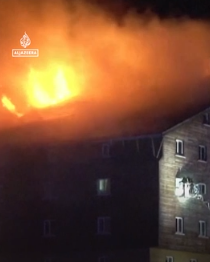
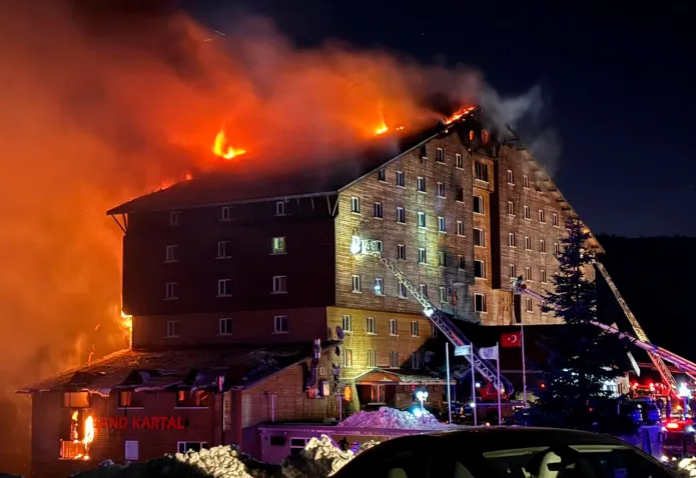
On January 25, 2025, a devastating hotel fire broke out in Kartalkaya, Bolu province, Turkey, killing at least 76 people and injuring dozens more. The blaze started overnight in the hotel’s restaurant, with 51 individuals reported injured. Authorities have identified 45 victims so far, and investigations are ongoing to determine the cause. The fire’s damage is estimated to be in the range of $10-15 million.
NEWS
A tragic hotel fire broke out overnight on January 25, 2025, in Kartalkaya, a ski resort located in Bolu province, Turkey. The blaze originated in the hotel’s restaurant section, quickly spreading throughout the building. As of the latest reports, at least 76 people have been confirmed dead, with 51 others injured, some critically. The fire is believed to have started during the night when the hotel was full of guests.
Interior Minister Ali Yerlikaya confirmed the casualties, stating that 45 of the victims have been identified, and their families have received the bodies. Emergency response teams continued their efforts to locate and identify the remaining victims, with searches expected to conclude by Wednesday, January 28. Health Minister Kemal Memisoglu reported that at least one of the injured is in critical condition.
The total financial damage caused by this devastating event is estimated to be between $10-15 million, taking into account the costs of rebuilding the hotel, compensation for the victims, and the overall disruption caused to the local community and tourism industry.
As investigations continue, authorities have assigned six prosecutors to lead the probe into the fire’s origin, which is suspected to have been caused by a malfunction or incident in the restaurant area. The government has promised that justice will be served for those responsible.This tragedy highlights the critical importance of early fire detection systems in preventing such large-scale disasters. Planck Vision Systems thermal imaging cameras provide early warnings by detecting abnormal heat conditions before flames or smoke become visible. These systems can identify potential fire risks early, allowing for faster response times and potentially saving lives and preventing millions of dollars in damage. The use of such technology could have been vital in preventing this devastating loss of life and property.
source: aljazeera.com
Scalable Solutions for Early Fire Detection
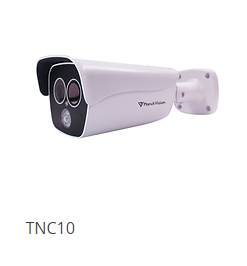
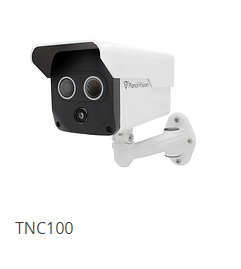
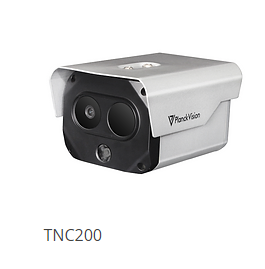
For early fire detection, Planck Vision TNC thermal imaging cameras are far superior to traditional systems that can alert to fire only after the visible consequences of smoke and flame are present. TNC cameras can help to prevent the destruction of goods and loss of life by surveilling for abnormal heat conditions before fires erupt.
Top 6 Advantages of Planck Vision Thermal Cameras:
Industry-Leading Sensitivity: Our cameras easily identify dangerous pre-flame conditions and post-flame hotspots, providing early warnings to prevent extensive damage.
Customizable Options: With a wide selection of sensor resolution and lens optics, we tailor our cameras to suit specific surveillance needs, ensuring optimal performance for every application.
Dual Thermal/Visible Cameras: Combining thermal and visible cameras in one unit enhances situational awareness, allowing for comprehensive monitoring and swift response to potential threats.
Easy Installation and Operation: Our IP cameras are designed for seamless integration into your local network, simplifying installation and operation for enhanced efficiency.
User-Programmed Analytics: With analytics running on Edge, our systems offer the best reliability, empowering users to customize monitoring parameters for precise threat detection.
On-Camera Head Relays: Control is placed where it’s needed most with on-camera head relays, facilitating quick adjustments and interventions in critical situations.




 English
  繁體中文
繁體中文  Deutsch
  Español
  Français
  日本語
日本語  한국어
한국어