Planck Vision Systems manufactures thermal imaging solutions for portable inspection and 24/7 monitoring of commercial applications including: Early Fire Detection, Manufacturing, Substations and Tunnels, Electrical Panel/Cabinets, Storage Facilities, Data Centers and Elevated Body Temperature Screening. Our company is headquartered in Santa Barbara CA, the capital of infrared sensing technologies in the United States.
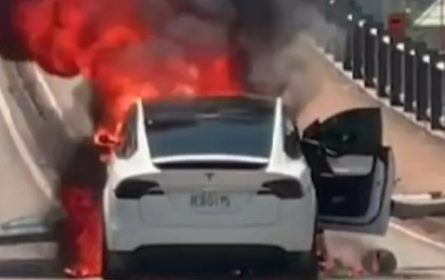
On January 25, 2025, a tragic accident occurred on National Highway 1 in Taiwan, when an electric car collided and caught fire, killing four people and injuring four others. The fire was likely caused by a ternary lithium battery, known for its high-energy density but low thermal stability, which can lead to explosive fires in seconds. Similar incidents have occurred globally, including a 2022 fire involving a Tesla and a 2023 fire in China. The estimated damage from the incident is around $500,000.
NEWS
On January 25, 2025, a fatal electric car accident occurred on National Highway 1 in Taiwan, when a vehicle reportedly collided and caught fire, leading to the deaths of four individuals and injuries to four others. Initial investigations suggest that the fire originated from a ternary lithium battery, which is commonly used in electric vehicles. These batteries, though efficient in energy storage, are prone to thermal runaway, especially under collision or impact, resulting in rapid and violent fires.
This incident highlights a critical safety issue surrounding the use of ternary lithium batteries in electric vehicles. When these batteries experience thermal runaway, they release a large amount of oxygen, causing an explosive fire within seconds. This is in stark contrast to lithium iron phosphate (LiFePO4) batteries, which burn slower and provide more time for evacuation. In fact, previous incidents, including a 2022 fire involving Taiwanese celebrity Jimmy Lin’s Tesla, and a June 2023 fire in China involving a Volkswagen ID4X, have drawn attention to the safety risks of these high-density energy cells.
The tragic incident on January 25 not only caused irreversible loss of life, but also resulted in an estimated $500,000 in damages. The rapid spread of the fire and the inability of passengers to escape in time underscore the need for improved fire detection and safety systems, particularly in vehicles with ternary lithium batteries.
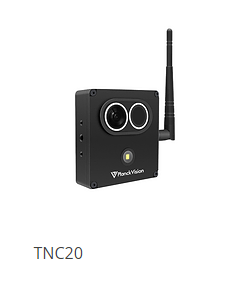
Electric vehicles face growing adoption globally, but as their batteries continue to be the source of fire-related incidents, there is an urgent need for advanced early fire detection systems. Technologies such as Planck Vision Systems’ thermal imaging cameras, including the TRX600, TNC20 fixed mount, and TNC400PT, can continuously monitor the temperature of batteries in real-time and detect anomalies before they escalate into catastrophic failures.
Planck Vision Systems’ advanced thermal imaging technology ensures rapid identification of irregular heat patterns, providing a layer of protection to prevent fires from taking hold. For electric vehicle manufacturers and fleet operators, investing in early fire detection solutions is essential for mitigating the risk of loss and safeguarding lives.
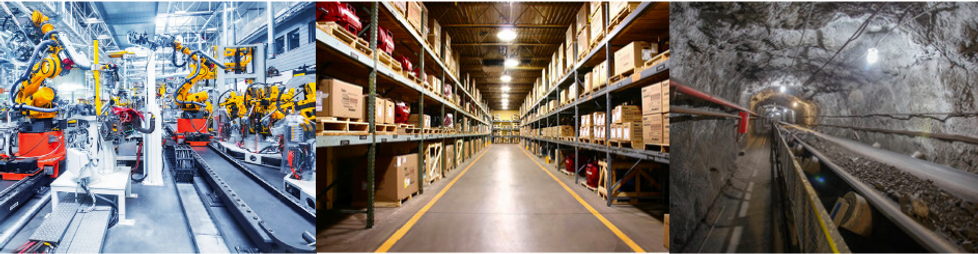
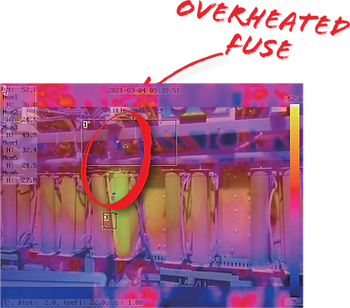
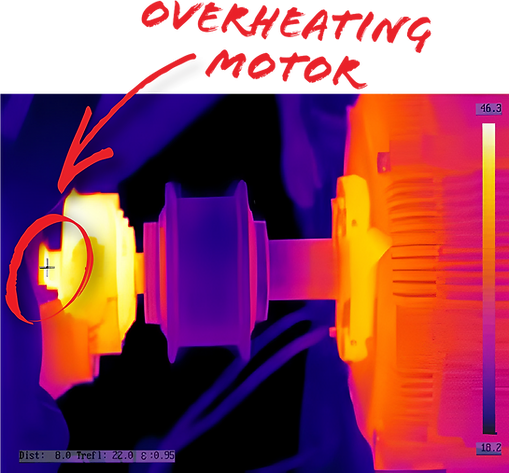
For Heavy Industry, Planck Vision Systems leads with superior thermal imaging tailored for diverse industries. Beyond detecting minute temperature variations, our always-on technology ensures system protection, operational excellence, and catches every anomaly. This vigilance minimizes risks, preempting system failures and potential threats.





 English
  繁體中文
繁體中文  Deutsch
  Español
  Français
  日本語
日本語  한국어
한국어