
Planck Vision Systems manufactures thermal imaging solutions for portable inspection and 24/7 monitoring of commercial applications including: Early Fire Detection, Manufacturing, Substations and Tunnels, Electrical Panel/Cabinets, Storage Facilities, Data Centers and Elevated Body Temperature Screening. Our company is headquartered in Santa Barbara CA, the capital of infrared sensing technologies in the United States.
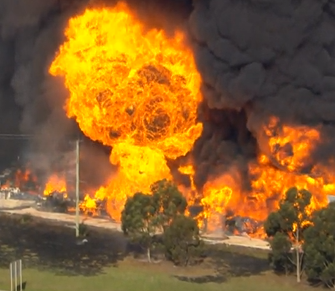
On February 12, 2025, ACB Group, the chemical company behind two industrial fires in Melbourne’s west, collapsed with debts exceeding $5.3 million. The first fire in 2023 claimed the life of a worker, while a second fire in July 2024 destroyed the factory, releasing toxic smoke and causing environmental hazards. Reports from the liquidator have also revealed a major safety risk from an underground gas pipeline affected by the factory’s collapsed wall. The factory site is still considered a significant fire hazard.
NEWS
ACB Group, a chemical company based in Melbourne’s west, has collapsed due to mounting debts exceeding $5.3 million. The company, which was already in financial distress, faced two devastating fires in the past two years, significantly impacting both its operations and the surrounding environment.
The first fire occurred at ACB’s Derrimut site in 2023, claiming the life of a 44-year-old factory worker. The second fire, which broke out in July 2024, destroyed the entire factory. This fire released a cloud of toxic smoke that forced residents in nearby suburbs to stay indoors for days. These incidents have severely affected the company’s financial standing, leading to its insolvency.
Reports from the liquidator, SV Partners, have raised serious concerns about the ongoing risks posed by the factory site. The Environmental Protection Authority (EPA) has warned that the site continues to present significant hazards to both human health and the environment. Additionally, the collapse of an eight-meter concrete wall on the factory site was found to have endangered a high-pressure underground gas pipeline running along the back of the factory, which was previously unreported.
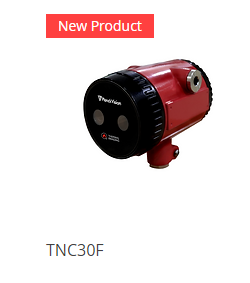
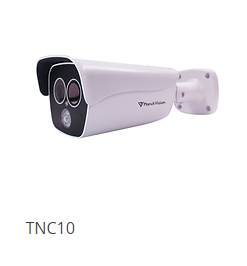
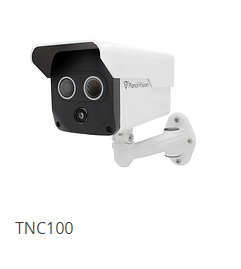
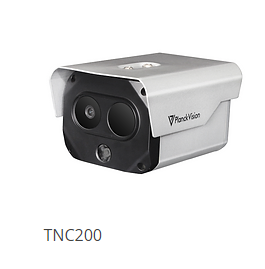
The combination of these two fires, environmental hazards, and the company’s financial struggles culminated in ACB Group’s collapse. However, this situation underscores the importance of early fire detection systems to prevent such catastrophic events. Traditional fire detection methods, which rely on smoke and flame detection, often arrive too late to prevent loss of life and property. Advanced technologies, such as Planck Vision TNC thermal imaging cameras, provide a proactive solution by identifying abnormal heat patterns before a fire ignites.
This allows for early intervention, reducing both the loss of life and damage to property.In light of the ACB Group incident, it is clear that enhanced fire detection systems are essential in industrial settings, particularly where hazardous materials and infrastructure are involved.
source: abc.net.au
Scalable Solutions for Early Fire Detection
For early fire detection, Planck Vision TNC thermal imaging cameras are far superior to traditional systems that can alert to fire only after the visible consequences of smoke and flame are present. TNC cameras can help to prevent the destruction of goods and loss of life by surveilling for abnormal heat conditions before fires erupt.
Top 6 Advantages of Planck Vision Thermal Cameras:
Industry-Leading Sensitivity: Our cameras easily identify dangerous pre-flame conditions and post-flame hotspots, providing early warnings to prevent extensive damage.
Customizable Options: With a wide selection of sensor resolution and lens optics, we tailor our cameras to suit specific surveillance needs, ensuring optimal performance for every application.
Dual Thermal/Visible Cameras: Combining thermal and visible cameras in one unit enhances situational awareness, allowing for comprehensive monitoring and swift response to potential threats.
Easy Installation and Operation: Our IP cameras are designed for seamless integration into your local network, simplifying installation and operation for enhanced efficiency.
User-Programmed Analytics: With analytics running on Edge, our systems offer the best reliability, empowering users to customize monitoring parameters for precise threat detection.
On-Camera Head Relays: Control is placed where it’s needed most with on-camera head relays, facilitating quick adjustments and interventions in critical situations.



 English
  繁體中文
繁體中文  Deutsch
  Español
  Français
  日本語
日本語  한국어
한국어