플랑크 비전 시스템 플랜크 비전 시스템은 다음을 포함한 상업용 애플리케이션의 휴대용 검사 및 연중무휴 모니터링을 위한 열화상 솔루션을 제조합니다: 조기 화재 감지, 제조, 변전소 및 터널, 전기 패널/캐비닛, 저장 시설, 데이터 센터 및 체온 상승 검사 등 다양한 분야에서 활용되고 있습니다. 저희 회사는 미국 적외선 감지 기술의 중심지인 캘리포니아주 산타바바라에 본사를 두고 있습니다.
On November 26, 2024, a major fire broke out at the Tanegashima Space Center in Japan’s Kagoshima Prefecture during a test of a solid-fuel Epsilon S rocket. The fire began during a combustion test, leading to towering flames and thick white smoke. There were no reported injuries, and the cause of the fire is under investigation. The incident has caused significant damage to the rocket and the facility, with an estimated loss of $10 million.
뉴스
On November 26, 2024, a major fire erupted at Japan’s Tanegashima Space Center during a routine solid-fuel rocket test. The fire broke out while the Epsilon S rocket was undergoing a combustion test, and towering flames and thick white fumes were seen rising from the site. Japan Aerospace Exploration Agency (JAXA) confirmed that there was an “abnormality during today’s combustion test,” but fortunately, no injuries were reported. The fire began when orange flames reportedly burst out from the rocket’s engine, which was placed on a horizontal platform. The explosion that followed sent debris and smoke billowing across the facility.
This fire marks another setback for JAXA, which has faced a series of challenges with its rocket programs. Earlier in July 2023, one of the Epsilon S rockets exploded during a test shortly after ignition. This string of failures, including a H3 rocket launch attempt that was unsuccessful, has raised concerns about the future of Japan’s space ambitions. Despite these setbacks, Japan had a successful H3 rocket launch in February 2024 and made significant progress with its lunar mission in January 2024, landing a probe on the Moon, although at a tilted angle.
The Tanegashima Space Center fire has also sparked investigations by JAXA to understand the root cause of the incident. The Japanese space agency has not yet disclosed the exact financial damage, but estimates suggest the loss could reach $10 million, considering the destruction of the rocket and the facilities involved.
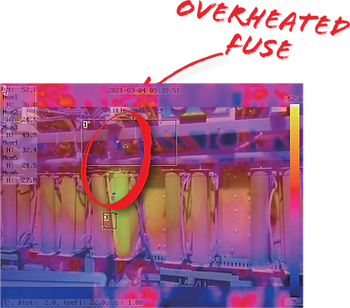
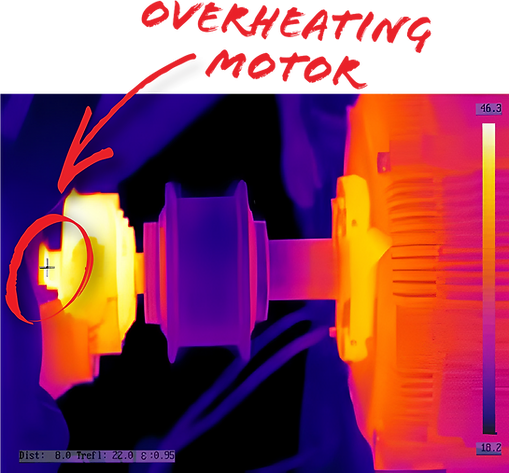
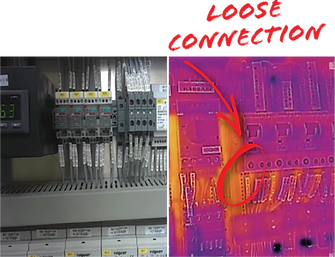
This incident highlights the critical importance of early fire detection systems in high-risk facilities like space launch centers. Planck Vision Systems, with its superior thermal imaging technology, provides essential tools for detecting even minute temperature variations.
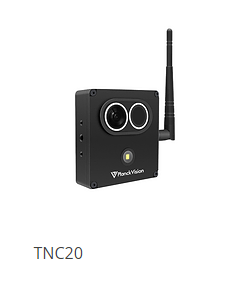
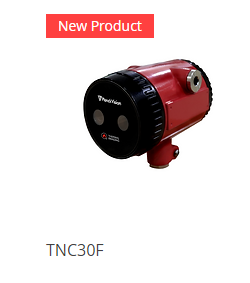
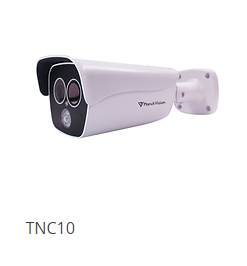
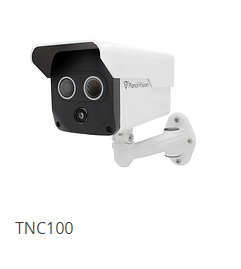
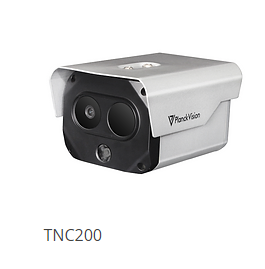
This technology can identify overheating components or potential fire hazards before they escalate, helping to prevent such incidents in the future. TNC thermal imaging cameras are invaluable for monitoring temperature fluctuations in real-time and ensuring the safety of valuable assets, like the rockets tested at Tanegashima.
Early detection and continuous monitoring could have helped JAXA identify potential fire risks during the test, potentially mitigating the damage and preventing the fire from spreading. The ability to detect anomalous heat signatures before they become visible flames is critical in avoiding catastrophic failures in high-risk environments.
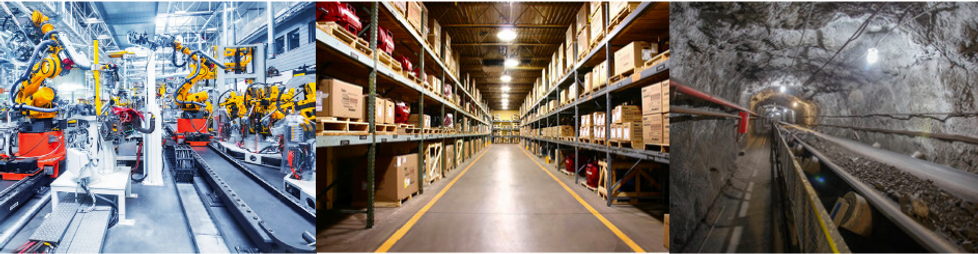
For 중공업플랜크 비전 시스템은 다양한 산업 분야에 맞는 우수한 열화상 기술을 선도하고 있습니다. 당사의 상시 가동 기술은 미세한 온도 변화를 감지하는 것 외에도 시스템 보호, 탁월한 운영 효율성을 보장하고 모든 이상 징후를 포착합니다. 이러한 경계를 통해 위험을 최소화하고 시스템 장애와 잠재적 위협을 사전에 예방합니다.




 한국어
한국어  English
  繁體中文
繁體中文  Deutsch
  Español
  Français
  日本語
日本語