
プランク・ビジョン・システムズ プランクビジョンシステムズは、以下のような業務用アプリケーションのポータブル検査および24時間365日モニタリング用の赤外線画像ソリューションを製造しています:早期火災検知、製造、変電所やトンネル、電気パネル/キャビネット、貯蔵施設、データセンター、体温上昇スクリーニングなどです。弊社は、米国における赤外線センシング技術の中心地であるカリフォルニア州サンタバーバラに本社を置いています。
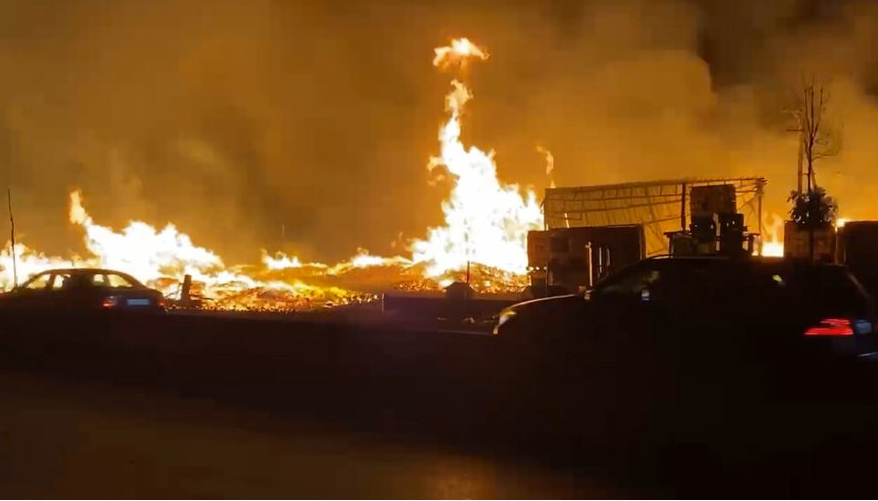
On 2024/08/27, a fire destroyed a timber trading point in Lushnje. The blaze, caused by an electrical spark in the power network around 8:00 p.m., ignited nearby bushes and spread to wooden pallets. Despite timely intervention and rain, the fire continued through the night, consuming all the timber. Firefighters prevented damage to nearby homes and businesses and blocked traffic on the highway until the fire was contained.
ニュース
The causes of the fire that engulfed the timber trading point in Lushnje on 2024/08/27 have been revealed. The blaze was ignited by an electrical spark in the electricity supply network around 8:00 p.m. Strong winds caused the wires on the pole to break and come into contact with each other, resulting in electric sparks. The fire initially started in an area of bushes before rapidly spreading to the timber production facility.
Despite the prompt intervention of the fire brigade and the assistance of rain, the fire continued throughout the night, ultimately consuming all the timber at the site. The firefighters successfully managed to avert danger to nearby homes and businesses from the onset. However, the highway adjacent to the site was blocked by traffic until the fire was fully contained by the emergency services.
This incident underscores the critical need for advanced fire detection technologies. Traditional fire detection systems typically alert responders only after visible signs such as smoke or flames are present. By the time these systems trigger an alarm, significant damage may already have occurred.
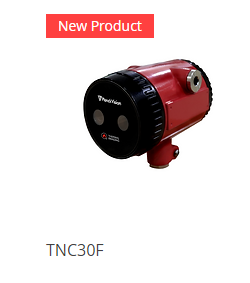
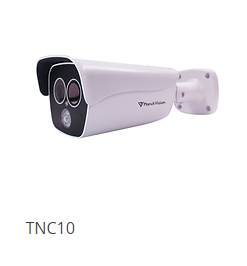
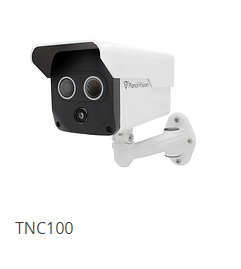
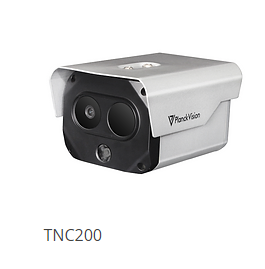
Planck Vision Systems offers a superior solution with their TNC thermal imaging cameras. Unlike conventional fire detection systems, Planck Vision TNC cameras are capable of detecting abnormal heat conditions before the fire becomes visible. This early detection capability allows for a faster and more effective response, potentially preventing fires from escalating and causing extensive damage.
If Planck Vision TNC thermal imaging cameras had been utilized at the timber trading point, they might have detected the heat from the electrical spark before the fire spread. This would have allowed for earlier intervention, possibly mitigating the extent of the damage and saving the timber from complete destruction. The integration of such advanced technology into fire safety protocols can greatly enhance the ability to prevent fires and respond more effectively, protecting both property and lives.
ソースpamfleti.net
火災早期発見のためのスケーラブルなソリューション
火災の早期発見に、 プランク・ビジョン TNC 赤外線サーマルカメラ は、煙や炎という目に見える結果が出てから火災を警告する従来のシステムよりもはるかに優れています。 TNCカメラは、火災が発生する前に異常な熱の状態を監視することで、商品の破壊や人命の損失を防ぐのに役立ちます。
トップ6のメリット プランクビジョン サーマルカメラ:
業界をリードする感度:当社のカメラは、炎が出る前の危険な状態や炎が出た後のホットスポットを簡単に特定し、甚大な被害を防ぐための早期警告を提供します。
カスタマイズ可能なオプション:センサーの解像度とレンズ光学系の幅広い選択肢により、当社は特定の監視ニーズに合わせてカメラをカスタマイズし、あらゆる用途に最適な性能を保証します。
赤外線/可視デュアルカメラ:サーマルカメラと可視カメラを1台に統合することで、状況認識が向上し、包括的な監視と潜在的脅威への迅速な対応が可能になります。
簡単な設置と操作:当社のIPカメラは、お客様のローカルネットワークにシームレスに統合できるように設計されており、設置や操作を簡素化し、効率を高めます。
ユーザープログラムによる分析:Edge上で実行される分析により、当社のシステムは最高の信頼性を提供し、ユーザーは正確な脅威検出のために監視パラメータをカスタマイズすることができます。
オンカメラヘッドリレー:オンカメラヘッドリレーにより、コントロールが最も必要な場所に配置され、重要な状況での迅速な調整や介入が容易になります。



 日本語
日本語  English
  繁體中文
繁體中文  Deutsch
  Español
  Français
  한국어
한국어