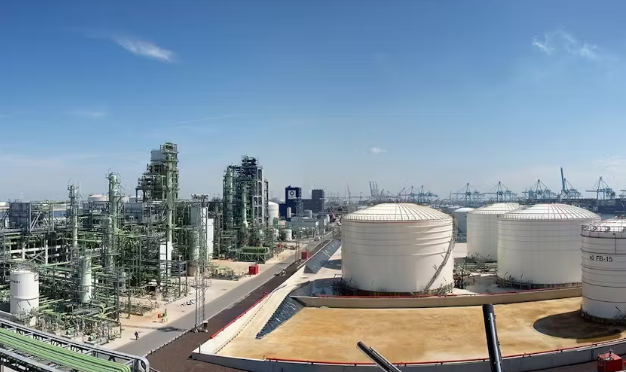
On November 8, 2024, a fire broke out at Neste Corp.’s renewable fuels refinery located in Rotterdam, the Netherlands, causing the temporary shutdown of operations. The fire, which was quickly extinguished without any injuries, has led to a significant impact on renewable diesel production, with the refinery expected to remain offline for several weeks. The incident is expected to affect Neste’s renewable product sales volume for 2024, with a revised forecast of 3.7 million tonnes per year, down from the previous 3.9 million tonnes.
ニュース
On November 8, 2024, Neste Corp.’s renewable fuels refinery in Rotterdam, the Netherlands, suffered a fire that led to the suspension of its processing and production activities. Although the fire was extinguished without causing any injuries, the event had significant operational consequences.
The refinery, which has a capacity of 1.4 million tonnes per year, will remain offline for several weeks as repairs are underway. As a result, Neste has revised its renewable product sales forecast for 2024, lowering it to 3.7 million tonnes per year, down from its previous projection of 3.9 million tonnes. This reduction is primarily due to the shortfall in renewable diesel production from the Rotterdam facility.
While the incident disrupted operations, Neste emphasized that the ongoing €1.9 billion expansion project, which aims to increase the refinery’s renewable product capacity by 1.3 million tonnes per year, remains unaffected by the fire. The project, scheduled for completion in 2026, includes the production of 1.2 million tonnes of sustainable aviation fuel (SAF) annually.
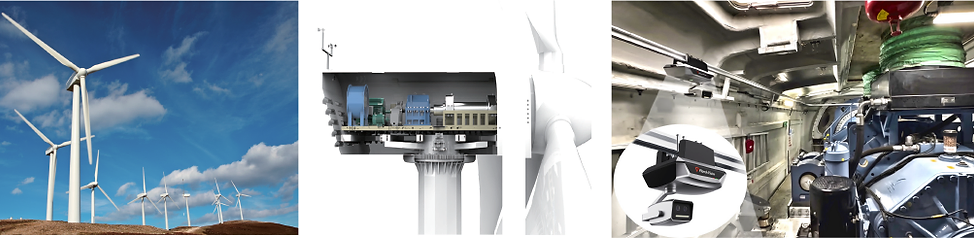
This fire highlights the importance of early fire detection and proactive monitoring in industrial operations. Leveraging advanced technologies such as the TRX600 robotic system from Planck Vision Systems could have potentially mitigated the impact of such incidents.
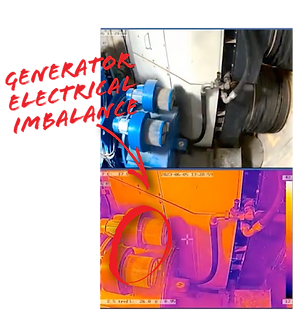
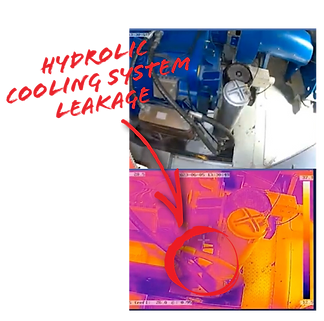
The TRX600 offers precise thermal imaging and continuous monitoring, reducing the risk of undetected anomalies and ensuring timely interventions. With the ability to operate in tight spaces and provide consistent, reliable data, it serves as a critical tool for industries such as renewable fuels, where the consequences of a failure can be substantial.




 日本語
日本語  English
  繁體中文
繁體中文  Deutsch
  Español
  Français
  한국어
한국어