Planck Vision Systems : L'incendie de l'unité de soins intensifs néonatals du Jhansi Medical College tue 10 nourrissons et les pertes sont estimées à $2 millions d'euros
Systèmes de vision Planck fabrique des solutions d'imagerie thermique pour l'inspection portable et la surveillance 24 heures sur 24 et 7 jours sur 7 d'applications commerciales, notamment : la détection précoce des incendies, la fabrication, les sous-stations et les tunnels, les panneaux et armoires électriques, les installations de stockage, les centres de données et le dépistage des températures corporelles élevées. Notre société a son siège à Santa Barbara CA, la capitale des technologies de détection infrarouge aux États-Unis.
On November 16, 2024, a major fire broke out in the Neonatal Intensive Care Unit (NICU) of Jhansi Medical College, Uttar Pradesh, resulting in the tragic deaths of 10 infants. The fire was caused by an issue with an oxygen concentrator inside the NICU, where 54 infants were admitted. While several babies were rescued, the fire caused significant damage, with the incident estimated to cost between $1.5 million to $3 million. Authorities are conducting investigations, and actions have been taken against several medical officials.
NOUVELLES
November 16, 2024, witnessed a devastating fire at the Neonatal Intensive Care Unit (NICU) of Jhansi Medical College in Uttar Pradesh, India. The fire, which broke out late on Friday night, tragically claimed the lives of 10 infants. At the time of the incident, 54 infants were admitted to the NICU, and emergency responders managed to rescue several of them, though many were severely affected by the flames.
The fire started in the oxygen concentrator used in the NICU, and as the room was highly oxygenated, the flames spread rapidly. Despite efforts to douse the fire, the highly flammable environment led to a catastrophic situation. Chief Medical Superintendent Sachin Mahor confirmed that the fire was uncontrollable due to the concentration of oxygen in the room, which exacerbated the spread of flames.
The incident has raised concerns about safety protocols at medical facilities, particularly those involving critical care units for infants. Uttar Pradesh’s Health Minister, Brajesh Pathak, confirmed that investigations have been initiated, and actions have been taken against the college’s staff. As a result of the findings from the investigation report, the Principal of Jhansi Medical College has been removed from his position, the Chief Medical Superintendent has been charge-sheeted, and three other officials have been suspended.
Uttar Pradesh Chief Minister, Yogi Adityanath, also responded to the tragedy by instructing the district administration to speed up relief and rescue operations. The CM expressed his deep sorrow over the loss of the infants, offering condolences to the grieving families.
In the aftermath of this incident, the financial impact of the fire is estimated to be around $1.5 million to $3 million, considering the damages to the infrastructure, medical equipment, and the ongoing investigations into the incident’s cause.
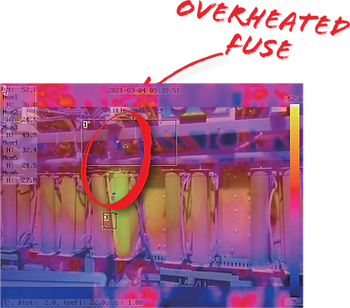
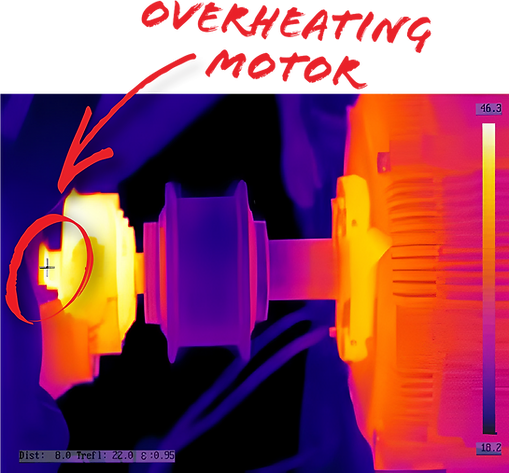
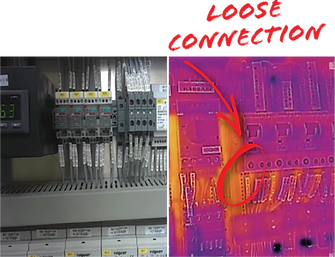
This tragic event underscores the importance of fire safety and early detection systems, particularly in medical environments where the risk to vulnerable patients is higher. Planck Vision Systems offers advanced thermal imaging technology that can detect temperature anomalies well before fire becomes visible. This technology can be crucial in preventing disasters like the NICU fire in Jhansi, enabling medical facilities to identify overheating equipment or other fire hazards before they become catastrophic.
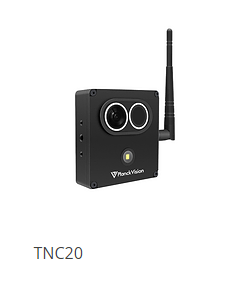
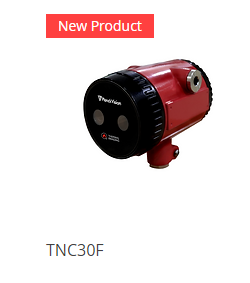
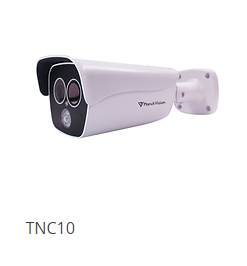
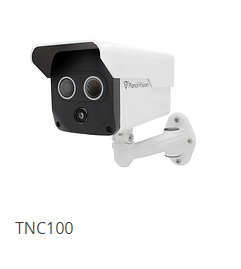
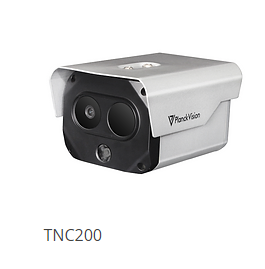
In medical environments, where high-risk patients like infants are present, having early detection systems in place can save lives. Planck Vision’s TNC thermal cameras are an essential tool for ensuring operational safety by continuously monitoring for abnormal heat signatures that could indicate the beginning stages of a fire. By implementing such technology, hospitals and medical centers can significantly reduce the risk of fire-related disasters, protecting both patients and staff.
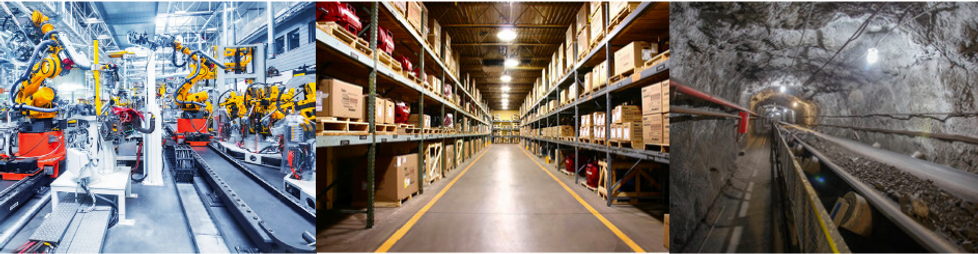
Pour Industrie lourdePlanck Vision Systems est à la pointe de la technologie avec une imagerie thermique de qualité supérieure adaptée à diverses industries. Au-delà de la détection d'infimes variations de température, notre technologie toujours active assure la protection des systèmes, l'excellence opérationnelle et la détection de toute anomalie. Cette vigilance minimise les risques, en anticipant les défaillances du système et les menaces potentielles.




 Français
  English
  繁體中文
繁體中文  Deutsch
  Español
  日本語
日本語  한국어
한국어