Systèmes de vision Planck fabrique des solutions d'imagerie thermique pour l'inspection portable et la surveillance 24 heures sur 24 et 7 jours sur 7 d'applications commerciales, notamment : la détection précoce des incendies, la fabrication, les sous-stations et les tunnels, les panneaux et armoires électriques, les installations de stockage, les centres de données et le dépistage des températures corporelles élevées. Notre société a son siège à Santa Barbara CA, la capitale des technologies de détection infrarouge aux États-Unis.
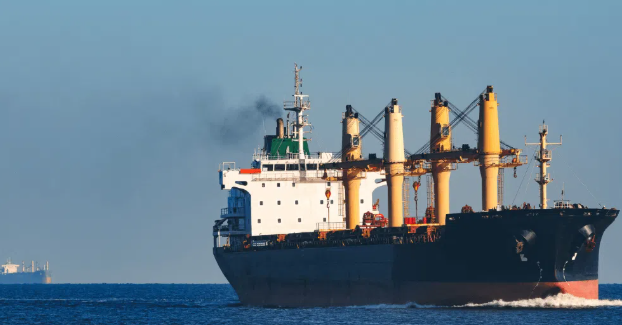
On January 6, 2025, a fire broke out in the engine room of the Marshall Islands-flagged cargo vessel Panoria off Taiwan’s southern coast, injuring four crew members. The fire occurred at around 5:00 p.m., about 23 nautical miles southwest of Oluanpi, Taiwan’s southernmost point. Although the crew extinguished the fire, the ship lost power, and all 21 crew members were evacuated. The direct losses from the incident are estimated at $1 million.
NOUVELLES
On the evening of January 6, 2025, a fire broke out in the engine room of the Marshall Islands-flagged cargo vessel Panoria, causing significant disruption to both the vessel and its crew. The fire was reported at around 5:00 p.m., while the ship was sailing 23 nautical miles southwest of Taiwan’s southernmost point, Oluanpi. Despite the crew’s best efforts to extinguish the flames, the ship lost power and was left disabled in the open sea. The captain, recognizing the severity of the situation, requested an immediate evacuation of all 21 crew members.
The Taiwan Coast Guard Administration (CGA) responded promptly by dispatching five vessels to the scene. However, high waves reaching up to 12 feet hampered any attempt for ship-to-ship transfers. At around 7:00 p.m., a helicopter from Taiwan’s Ministry of National Defense arrived and airlifted the four injured crew members to Kaohsiung International Airport. They were then transported to a nearby hospital for treatment. Among the injured, one crew member suffered severe burns, while the other three had minor injuries.
The remaining 17 crew members stayed on board due to the unsafe sea conditions. Early on the morning of January 7, 2025, the tugboat Salvage Rigger, flagged in Saint Vincent and the Grenadines, arrived to tow the disabled ship. It was accompanied by coast guard vessels for added security and guidance. The ship, expected to reach the Port of Kaohsiung by noon, continued to be escorted by the CGA to ensure safe passage.
The Panoria, a 50,000 dwt bulk carrier built in 2008 and operated by a Greek company, has faced safety issues in the past. During its last two port state control inspections in France and Indonesia, 19 deficiencies were identified, including issues with firefighting pumps and equipment. In fact, just two months ago, the ship was detained in Indonesia for deficiencies related to firefighting systems, sewage treatment, and oil filtering equipment. These issues were reportedly addressed during a follow-up inspection before the vessel left port.
The Taiwan Coast Guard’s Anping-class patrol vessel was the first to reach the Panoria at around 6:00 p.m. on January 6, but the rough seas made it impossible to approach the vessel directly. In response, the Maritime and Port Bureau’s Southern Maritime Affairs Center coordinated the deployment of the tugboat to safely tow the ship to Kaohsiung.
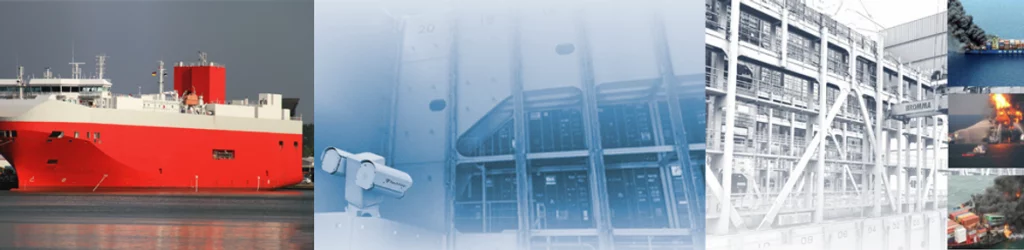
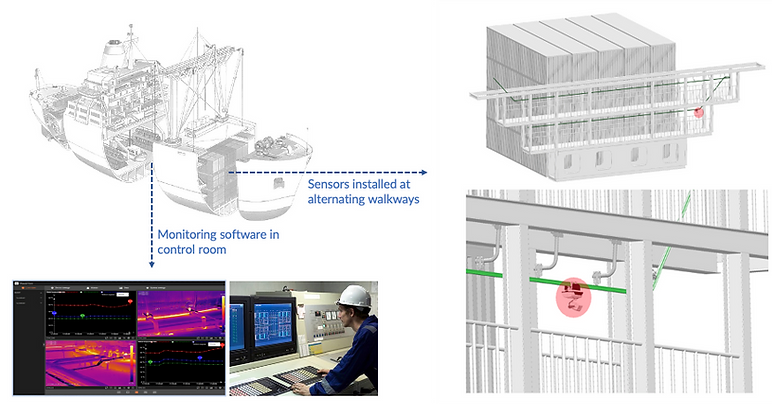
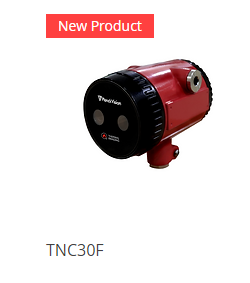
This incident highlights the importance of early fire detection systems in preventing disasters. With advanced thermal imaging systems such as Planck Vision Systems’ TRX600, TNC20 fixed mount, and TNC400PT thermal imaging cameras, cargo ships can have continuous surveillance of engine rooms and other critical areas.
These systems provide early warning signs of potential fires, which could have prevented the situation from escalating. Effective fire detection systems are crucial for reducing risks, preventing damage, and ensuring the safety of both the crew and the vessel in challenging maritime environments.
Pour les cargos, Planck Vision Systems offre des solutions de protection inégalées en utilisant les caméras thermiques TRX600, TNC20 et TNC400PT. Conçu pour une surveillance sans relâche et une analyse méticuleuse des données, notre équipement est votre sentinelle dans les conditions exigeantes du transport maritime. La surveillance permanente de nos systèmes détecte les tendances et les irrégularités cruciales, fournissant une couche de défense fortifiée contre les menaces qui pèsent sur la sécurité et l'intégrité des cargaisons. Que vous naviguiez sur des mers tranquilles ou turbulentes, faites confiance à Planck Vision Systems pour une protection inébranlable de votre cargaison, en atténuant les pertes et en protégeant vos actifs contre les imprévus.



 Français
  English
  繁體中文
繁體中文  Deutsch
  Español
  日本語
日本語  한국어
한국어