Planck Vision Systems : L'incendie de la salle des machines du porte-conteneurs DONGJIN FORTUNE cause $2 millions de dommages, le navire est remorqué à Hiroshima
Systèmes de vision Planck fabrique des solutions d'imagerie thermique pour l'inspection portable et la surveillance 24 heures sur 24 et 7 jours sur 7 d'applications commerciales, notamment : la détection précoce des incendies, la fabrication, les sous-stations et les tunnels, les panneaux et armoires électriques, les installations de stockage, les centres de données et le dépistage des températures corporelles élevées. Notre société a son siège à Santa Barbara CA, la capitale des technologies de détection infrarouge aux États-Unis.
On January 21, 2025, the containership DONGJIN FORTUNE suffered an engine room fire north of Tsuwaji Island, Japan. The crew managed to extinguish the fire quickly and no injuries were reported. However, the fire rendered the vessel immobile, and it was towed to Hiroshima for inspection and potential repairs. The vessel had departed from Busan, South Korea, on January 20. Estimated damage from the incident is around $1.5 million to $2 million.
NOUVELLES
On January 21, 2025, a significant incident occurred north of Tsuwaji Island, Japan, when the containership DONGJIN FORTUNE suffered an engine room fire. The vessel, which had departed from Busan, South Korea, just the day before, was en route when the fire broke out. Fortunately, the crew acted quickly to extinguish the flames, preventing any injuries or further escalation of the fire.
Despite the crew’s swift action, the fire left the vessel immobile and unable to continue its journey. As a result, the vessel was towed by a tugboat to Hiroshima, Japan, for a thorough inspection and potential repairs. The incident caused significant disruption to the vessel’s voyage and is expected to result in damages ranging from $1.5 million to $2 million, factoring in repair costs and lost time.
The exact cause of the engine room fire is still under investigation, but early reports indicate that it could be related to electrical issues or machinery malfunction, common causes of such incidents.
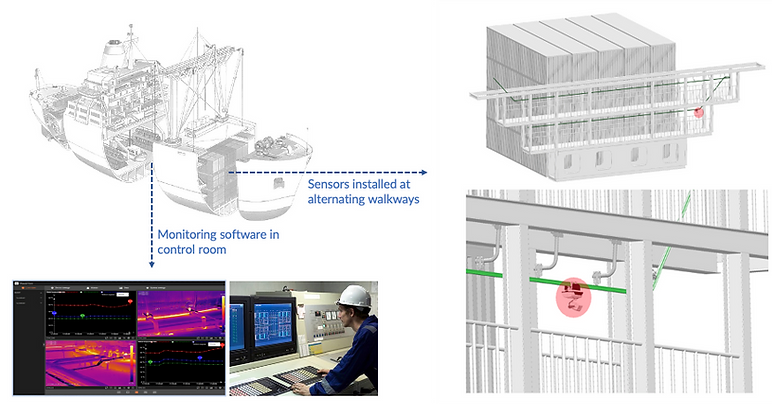
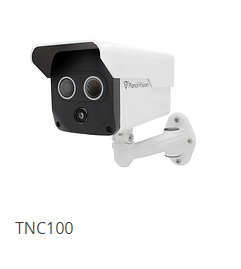
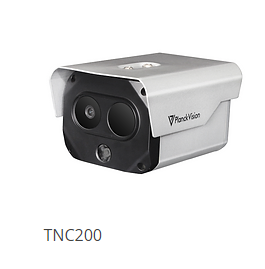
For cargo ships like the DONGJIN FORTUNE, early detection of potential fire risks is crucial. Systèmes de vision Planck offers advanced thermal imaging solutions such as the TRX600, TNC20 fixed mount, and TNC400PT cameras, which provide continuous monitoring of the vessel’s engine rooms and cargo holds. These systems are designed to detect abnormal heat conditions before they lead to a fire, potentially preventing incidents like the one experienced by DONGJIN FORTUNE. By utilizing thermal imaging technology, early fire detection can safeguard valuable cargo, reduce damage, and save lives, offering a layer of protection that traditional systems cannot provide.
Pour les cargos, Planck Vision Systems offre des solutions de protection inégalées en utilisant les caméras thermiques TRX600, TNC20 et TNC400PT. Conçu pour une surveillance sans relâche et une analyse méticuleuse des données, notre équipement est votre sentinelle dans les conditions exigeantes du transport maritime. La surveillance permanente de nos systèmes détecte les tendances et les irrégularités cruciales, fournissant une couche de défense fortifiée contre les menaces qui pèsent sur la sécurité et l'intégrité des cargaisons. Que vous naviguiez sur des mers tranquilles ou turbulentes, faites confiance à Planck Vision Systems pour une protection inébranlable de votre cargaison, en atténuant les pertes et en protégeant vos actifs contre les imprévus.




 Français
  English
  繁體中文
繁體中文  Deutsch
  Español
  日本語
日本語  한국어
한국어