
Systèmes de vision Planck fabrique des solutions d'imagerie thermique pour l'inspection portable et la surveillance 24 heures sur 24 et 7 jours sur 7 d'applications commerciales, notamment : la détection précoce des incendies, la fabrication, les sous-stations et les tunnels, les panneaux et armoires électriques, les installations de stockage, les centres de données et le dépistage des températures corporelles élevées. Notre société a son siège à Santa Barbara CA, la capitale des technologies de détection infrarouge aux États-Unis.
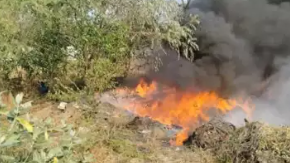
On Monday, December 9, 2024, a massive fire broke out at the Colvale industrial estate, located near Mapusa, Goa, around 1 pm. The blaze began in a vacant plot filled with combustible industrial waste and dry grass. Despite initial firefighting efforts, the fire continued to burn throughout the day, prompting additional fire trucks from surrounding areas. The fire caused substantial damage and was dangerously close to a 400 kV power substation. Authorities estimate the damage at approximately $2 million.
NOUVELLES
On Monday, December 9, 2024, a massive fire broke out in the Colvale industrial estate, situated near Mapusa in Goa. The fire started around 1 pm in a vacant plot that had become a dumping ground for combustible industrial waste, raw materials, and scrap. The area was surrounded by dry grass, which further fueled the blaze.
As firefighters from the Mapusa fire station arrived at the scene, they immediately began battling the flames. However, the fire was located dangerously close to the 400 kV Power Grid Corporation of India substation, which posed a significant risk. The fire spread quickly due to the dry conditions and the flammable materials, including raw plastic and waste material that had been indiscriminately dumped in the area.
The firefighters quickly realized that the blaze was difficult to control. Windy conditions made the firefighting efforts even harder. Ganesh Govekar, the station in-charge at the Mapusa fire station, explained that despite their best efforts, the fire kept flaring up. As a result, fire stations from Porvorim and Panaji were called in for support.
The fire was located on rocky terrain, making access difficult. Additionally, the surrounding area had dense bushes and dry grass, further complicating firefighting operations. To help with the firefighting efforts, water tankers were brought in, and the local police, led by Inspector Vijay Rane, assisted the fire crews in maintaining order and helping with access.
Despite the efforts of multiple teams, the fire continued to burn well into the evening. The authorities brought in a heavy earth mover to disturb the waste and scrap where smaller fires were still smoldering beneath the surface. Govekar stated, “We had to lift the waste because small fires were continuing to burn underneath and could last for days.”
While the main blaze was eventually brought under control, authorities were concerned about potential smaller fires that could continue to pose a danger. The industrial waste and raw materials scattered throughout the area contributed to the prolonged nature of the fire. The total damages from the fire have been estimated at approximately $2 million, considering the extent of the destruction to the materials and the risk posed to the nearby substation.
This incident highlights the importance of early fire detection and fire management. Planck Vision Systems offers advanced thermal imaging solutions, which can detect early signs of abnormal heat and temperature variations. With proactive detection, potential fires can be detected before they escalate, preventing extensive damage and ensuring the safety of surrounding infrastructure.
Planck Vision Systems provides an important tool in industrial safety, allowing industries to preemptively address issues that could lead to large-scale fires. By integrating thermal monitoring technology, businesses can mitigate risks, enhance safety protocols, and prevent costly damages, as evidenced by the fire at the Colvale industrial estate.
source : indiatimes.com
Solutions évolutives pour la détection précoce des incendies
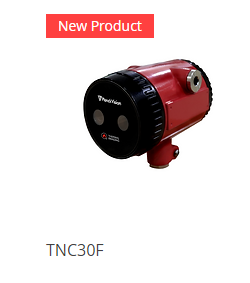
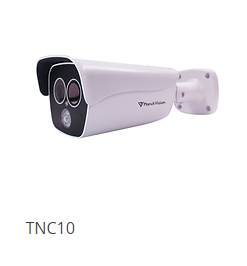
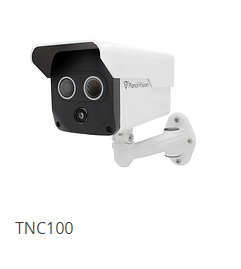
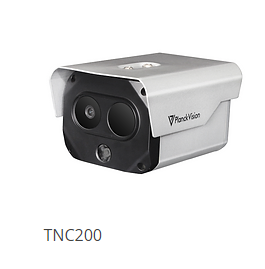
Pour une détection précoce des incendies, Vision de Planck Caméras thermiques TNC sont bien supérieures aux systèmes traditionnels qui ne peuvent signaler un incendie qu'une fois que les conséquences visibles de la fumée et des flammes sont présentes. Les caméras TNC peuvent contribuer à prévenir la destruction de biens et la perte de vies humaines en surveillant les conditions de chaleur anormales avant qu'un incendie ne se déclare.
Les 6 principaux avantages de la Caméras thermiques Planck Vision:
Une sensibilité à la pointe de l'industrie: Nos caméras identifient facilement les conditions dangereuses avant l'embrasement et les points chauds après l'embrasement, fournissant des alertes précoces pour éviter des dommages importants.
Options personnalisables: Grâce à un large choix de résolutions de capteurs et d'optiques d'objectifs, nous adaptons nos caméras à des besoins de surveillance spécifiques, garantissant ainsi des performances optimales pour chaque application.
Double caméra thermique/visible: La combinaison de caméras thermiques et visibles dans une seule unité améliore la connaissance de la situation, permettant une surveillance complète et une réponse rapide aux menaces potentielles.
Installation et fonctionnement faciles: Nos caméras IP sont conçues pour une intégration transparente dans votre réseau local, ce qui simplifie l'installation et le fonctionnement pour une efficacité accrue.
Analyse programmée par l'utilisateur: Grâce aux analyses exécutées sur Edge, nos systèmes offrent la meilleure fiabilité et permettent aux utilisateurs de personnaliser les paramètres de surveillance pour une détection précise des menaces.
Relais de tête à l'intérieur de la caméra: Le contrôle est placé là où il est le plus nécessaire grâce aux relais de tête de caméra, ce qui facilite les ajustements et les interventions rapides dans les situations critiques.



 Français
  English
  繁體中文
繁體中文  Deutsch
  Español
  日本語
日本語  한국어
한국어