
Sistemas de visión Planck Planck Vision Systems fabrica soluciones de imagen térmica para inspección portátil y monitorización 24/7 de aplicaciones comerciales incluyendo: Detección temprana de incendios, fabricación, subestaciones y túneles, cuadros y armarios eléctricos, instalaciones de almacenamiento, centros de datos y detección de temperatura corporal elevada. Nuestra empresa tiene su sede en Santa Barbara CA, la capital de las tecnologías de detección por infrarrojos en los Estados Unidos.
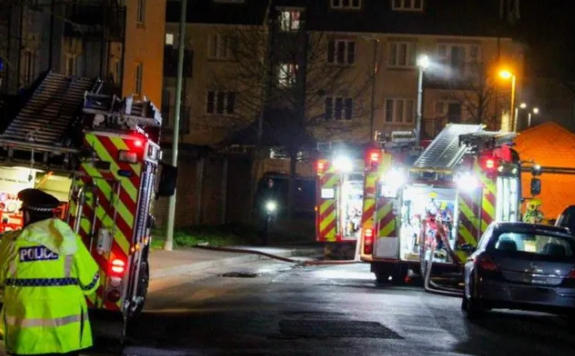
A large fire broke out at an industrial unit in Aldershot, Hampshire, on the night of January 5, 2025, causing significant damage. Over 50 firefighters were called to the scene shortly after midnight to tackle the blaze, which spread across two units in the building. The fire was brought under control by 03:30 GMT. No injuries were reported, but the estimated damage is believed to exceed £1 million. Police and fire crews remain on site as investigations continue.

NOTICIAS
In the early hours of January 5, 2025, a significant blaze broke out at an industrial unit on Eastern Road in Aldershot, Hampshire. The fire, which started just after midnight, spread rapidly across two units of the two-storey building, causing extensive damage. Firefighters from Hampshire Fire and Rescue Service were dispatched to the scene with eight fire engines, two aerial ladder platforms, and other specialized vehicles. It took more than three hours for crews to bring the fire under control, with the situation finally declared safe by 03:30 GMT.
The cause of the fire has not been officially determined, but investigations are ongoing. Thankfully, no casualties have been reported. However, the damage to the industrial units is expected to exceed £1 million. The intense heat and large scale of the fire meant that residents in the nearby area were advised to keep their windows and doors closed as a precaution.
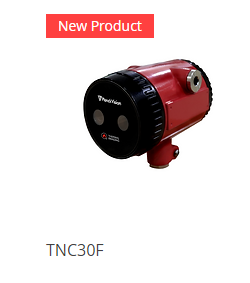
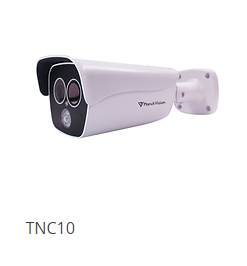
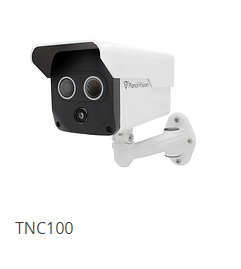
This incident highlights the importance of early fire detection and monitoring. Planck Vision Systems thermal imaging cameras are designed to help prevent such devastating fires. With 24/7 monitoring capabilities, these cameras continuously collect and analyze data to identify trends and potential hazards before they escalate into major incidents.
Whether mounted in fixed positions or with pan/tilt functionality, they can monitor large industrial areas, such as substations, ensuring that fires or other emergencies are detected early, minimizing the risk of catastrophic losses.
fuente: bbc.co.uk
Soluciones escalables para la detección precoz de incendios
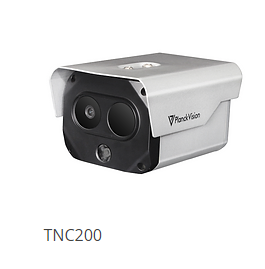
Para la detección precoz de incendios, Visión Planck Cámaras termográficas TNC son muy superiores a los sistemas tradicionales, que sólo pueden alertar de un incendio cuando se producen las consecuencias visibles del humo y las llamas. Las cámaras del TNC pueden ayudar a evitar la destrucción de bienes y la pérdida de vidas al vigilar condiciones térmicas anormales antes de que se produzca un incendio.
Las 6 principales ventajas de Cámaras térmicas Planck Vision:
Sensibilidad líder en el sector: Nuestras cámaras identifican fácilmente las condiciones peligrosas previas a las llamas y los puntos calientes posteriores, proporcionando alertas tempranas para evitar daños importantes.
Opciones personalizables: Con una amplia selección de resolución de sensor y óptica de objetivo, adaptamos nuestras cámaras a las necesidades específicas de vigilancia, garantizando un rendimiento óptimo para cada aplicación.
Cámaras térmicas/visibles duales: La combinación de cámaras térmicas y visibles en una sola unidad mejora el conocimiento de la situación, lo que permite una vigilancia exhaustiva y una respuesta rápida ante posibles amenazas.
Instalación y funcionamiento sencillos: Nuestras cámaras IP están diseñadas para integrarse perfectamente en su red local, simplificando la instalación y el funcionamiento para una mayor eficiencia.
Análisis programados por el usuario: Con análisis ejecutados en Edge, nuestros sistemas ofrecen la mejor fiabilidad, permitiendo a los usuarios personalizar los parámetros de supervisión para una detección precisa de las amenazas.
Relés de cabeza en cámara: El control se sitúa donde más se necesita con relés en el cabezal de la cámara, lo que facilita ajustes e intervenciones rápidas en situaciones críticas.



 Español
  English
  繁體中文
繁體中文  Deutsch
  Français
  日本語
日本語  한국어
한국어