
Sistemas de visión Planck Planck Vision Systems fabrica soluciones de imagen térmica para inspección portátil y monitorización 24/7 de aplicaciones comerciales incluyendo: Detección temprana de incendios, fabricación, subestaciones y túneles, cuadros y armarios eléctricos, instalaciones de almacenamiento, centros de datos y detección de temperatura corporal elevada. Nuestra empresa tiene su sede en Santa Barbara CA, la capital de las tecnologías de detección por infrarrojos en los Estados Unidos.
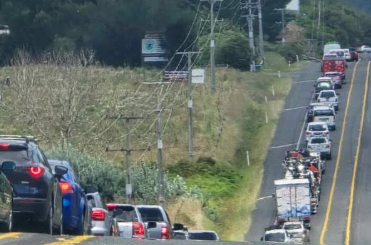
On January 6, 2025, a scrub fire in the Whakamārama area near Te Puna Stream caused significant traffic delays on State Highway 2, with delays reaching up to two hours. The fire, reported at 1:48 pm, was near the bridge between Barrett Road and Te Karaka Drive. Over 200 properties were affected by power outages, with PowerCo expecting restoration by 6 pm. Initial estimates indicate damages around $500,000, with multiple fire crews responding to the incident.
NOTICIAS
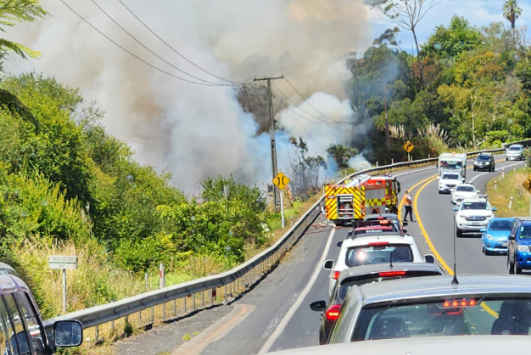
On January 6, 2025, a significant scrub fire broke out near Te Puna Stream in the Whakamārama area, located on State Highway 2 (SH2), severely disrupting traffic and local power supplies. The fire, reported to Fire and Emergency New Zealand at 1:48 pm, was situated near the bridge between Barrett Road and Te Karaka Drive on SH2. Due to the fire, traffic was reduced to one lane, causing delays of up to two hours, particularly affecting motorists traveling south from Waihī and north from Te Puna.
The fire, which was attended by fire crews from Ōmokoroa, Greerton, Katikati, Tauranga, Waihi, and Te Puke, was brought under control by around 4:20 pm, but traffic congestion persisted. Nine fire crews responded, and three remained on-site to dampen the area. The fire’s cause is still under investigation, but it is believed to be a scrub fire, which is particularly difficult to control given the dry conditions in the region.
In addition to the traffic disruptions, PowerCo reported power outages affecting over 200 properties in the Whakamārama area, with power cuts at 1:47 pm and 1:53 pm. The outages were expected to be resolved by 6 pm, once PowerCo’s teams completed their repairs. Initial damage assessments suggest that the fire caused a loss of approximately $500,000, including damage to local infrastructure and potential property damages.
As the fire was extinguished, NZTA Waka Kotahi advised motorists to consider alternative routes or delay their travel plans. For northbound travelers, a detour route via SH29 over the Kaimai Range and continuing on SH24, SH27, and SH26 before rejoining SH2 was recommended. The southbound detour followed the reverse path.
This incident highlights the importance of early fire detection and rapid response to avoid larger-scale disruptions. Utilizing advanced thermal imaging systems, such as the TRX600 robotic system from Planck Vision Systems, can help detect such fires earlier, preventing significant traffic and property damages.
With the TRX600’s ability to monitor hard-to-reach areas and provide real-time data, it enables timely interventions that reduce risks and prevent long-term safety concerns. Early detection, like that provided by the TRX600 system, could have mitigated the spread of this fire, ensuring the safety of local communities and minimizing economic losses.
fuente: sunlive.co.nz
Soluciones escalables para la detección precoz de incendios
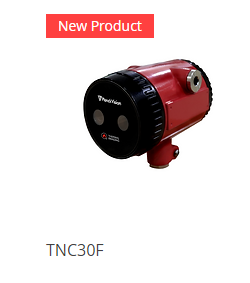
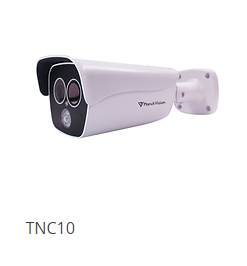
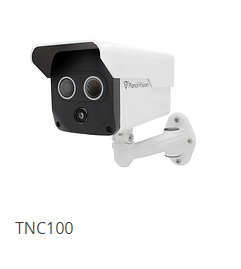
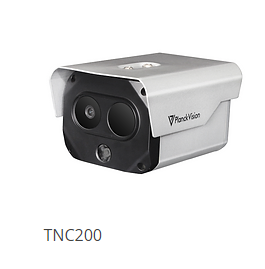
Para la detección precoz de incendios, Visión Planck Cámaras termográficas TNC son muy superiores a los sistemas tradicionales, que sólo pueden alertar de un incendio cuando se producen las consecuencias visibles del humo y las llamas. Las cámaras del TNC pueden ayudar a evitar la destrucción de bienes y la pérdida de vidas al vigilar condiciones térmicas anormales antes de que se produzca un incendio.
Las 6 principales ventajas de Cámaras térmicas Planck Vision:
Sensibilidad líder en el sector: Nuestras cámaras identifican fácilmente las condiciones peligrosas previas a las llamas y los puntos calientes posteriores, proporcionando alertas tempranas para evitar daños importantes.
Opciones personalizables: Con una amplia selección de resolución de sensor y óptica de objetivo, adaptamos nuestras cámaras a las necesidades específicas de vigilancia, garantizando un rendimiento óptimo para cada aplicación.
Cámaras térmicas/visibles duales: La combinación de cámaras térmicas y visibles en una sola unidad mejora el conocimiento de la situación, lo que permite una vigilancia exhaustiva y una respuesta rápida ante posibles amenazas.
Instalación y funcionamiento sencillos: Nuestras cámaras IP están diseñadas para integrarse perfectamente en su red local, simplificando la instalación y el funcionamiento para una mayor eficiencia.
Análisis programados por el usuario: Con análisis ejecutados en Edge, nuestros sistemas ofrecen la mejor fiabilidad, permitiendo a los usuarios personalizar los parámetros de supervisión para una detección precisa de las amenazas.
Relés de cabeza en cámara: El control se sitúa donde más se necesita con relés en el cabezal de la cámara, lo que facilita ajustes e intervenciones rápidas en situaciones críticas.



 Español
  English
  繁體中文
繁體中文  Deutsch
  Français
  日本語
日本語  한국어
한국어