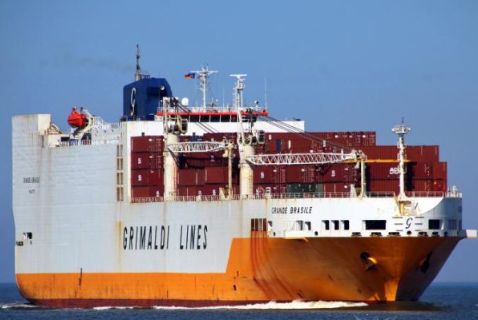
Planck Vision Systems: El sexto buque de Grimaldi sufre un incendio, el incendio de Grande Brasile está controlado, las pérdidas estimadas ascienden a $5 millones.
Sistemas de visión Planck Planck Vision Systems fabrica soluciones de imagen térmica para inspección portátil y monitorización 24/7 de aplicaciones comerciales incluyendo: Detección temprana de incendios, fabricación, subestaciones y túneles, cuadros y armarios eléctricos, instalaciones de almacenamiento, centros de datos y detección de temperatura corporal elevada. Nuestra empresa tiene su sede en Santa Barbara CA, la capital de las tecnologías de detección por infrarrojos en los Estados Unidos.
On February 20, 2025, a fire broke out on the Grimaldi-operated cargo vessel Grande Brasile, 15 nautical miles off the Kent coast in the English Channel. The fire, which was contained by onboard suppression systems, led to no reported injuries. The vessel issued a distress signal, and rescue teams from France, the Netherlands, and the UK responded. The estimated financial loss is approximately $5 million, including damages to the ship and operational delays.
NOTICIAS
On February 20, 2025, the Grimaldi-operated cargo vessel, Grande Brasile, experienced a fire while sailing through the English Channel. The fire broke out 15 nautical miles off the coast of Kent. At the time, the ship was en route to its destination, but the blaze was quickly contained by the vessel’s onboard fire suppression systems. This incident marks the sixth fire on a Grimaldi vessel since 2019, drawing attention to recurring safety concerns within the fleet.
The fire prompted a distress signal from the Grande Brasile at approximately 09:35 GMT, which was immediately followed by a multi-country rescue operation. Emergency crews from the UK, France, and the Netherlands responded swiftly, ensuring the safety of the crew members on board. No injuries were reported, and the firefighting operation, led by the vessel’s suppression systems and supported by external teams, helped to keep the fire contained.
This incident adds to a string of similar occurrences on Grimaldi’s fleet, highlighting the importance of fire detection and safety measures on board ships. The Grande Brasile is one of several vessels that have suffered from similar fire-related events in recent years. Although the fire was controlled swiftly, the financial damages are estimated to be approximately $5 million, accounting for the damages to the ship and the interruption to its operations.
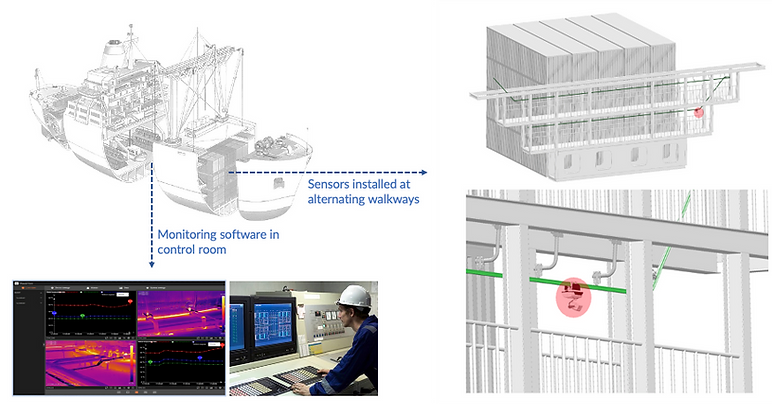
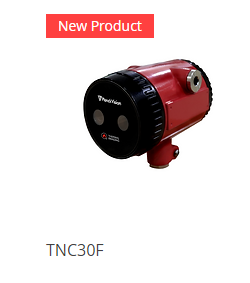
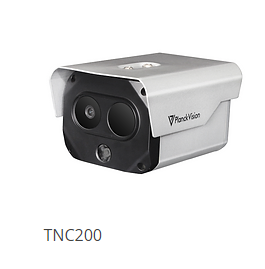
For cargo vessels like the Grande Brasile, the use of advanced thermal imaging technology plays a crucial role in preventing such incidents from escalating. Planck Vision Systems’ cutting-edge products, such as the TRX600, TNC20, and TNC400PT thermal imaging cameras, provide continuous monitoring and early detection of heat anomalies, allowing for the identification of fire risks before they can become major threats. By detecting abnormal heat patterns early on, these systems help prevent the destruction of goods and reduce the risk to both the crew and the vessel.
As maritime transportation continues to face challenges related to fire safety, Sistemas de visión Planck stands at the forefront of technological solutions designed to provide real-time surveillance and early alerts. These systems offer vital protection to prevent the loss of assets, minimize damage, and safeguard the future of the shipping industry.
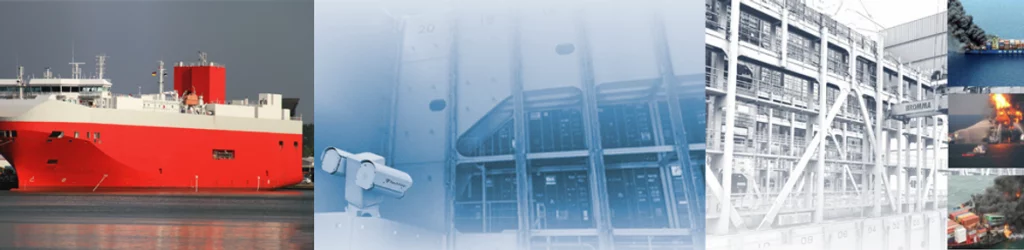
Para los buques de carga, Planck Vision Systems ofrece soluciones de protección sin precedentes utilizando las avanzadas cámaras de imagen térmica TRX600, TNC20 de montaje fijo y TNC400PT. Diseñados para una supervisión implacable y un análisis meticuloso de los datos, nuestros equipos son sus centinelas en las exigentes condiciones del transporte marítimo. La supervisión perpetua de nuestros sistemas detecta tendencias e irregularidades cruciales, proporcionando una capa fortificada de defensa contra las amenazas a la seguridad e integridad de la carga. Tanto si navega por mares tranquilos como turbulentos, confíe en Planck Vision Systems para una protección firme de la carga, mitigando las pérdidas y protegiendo los activos de los imprevistos.





 Español
  English
  繁體中文
繁體中文  Deutsch
  Français
  日本語
日本語  한국어
한국어