
Sistemas de visión Planck Planck Vision Systems fabrica soluciones de imagen térmica para inspección portátil y monitorización 24/7 de aplicaciones comerciales incluyendo: Detección temprana de incendios, fabricación, subestaciones y túneles, cuadros y armarios eléctricos, instalaciones de almacenamiento, centros de datos y detección de temperatura corporal elevada. Nuestra empresa tiene su sede en Santa Barbara CA, la capital de las tecnologías de detección por infrarrojos en los Estados Unidos.
On Thursday morning, January 25, 2025, fire crews responded to a small electrical fire at Quarr Abbey on the outskirts of Ryde. The fire was contained, and no injuries were reported. The fire occurred in a building housing a disabled toilet, and the Abbey itself was unaffected. Engineers from Scottish and Southern Electricity were called in to investigate the cause. The estimated property damage is around $8,000 to $12,000.
NOTICIAS
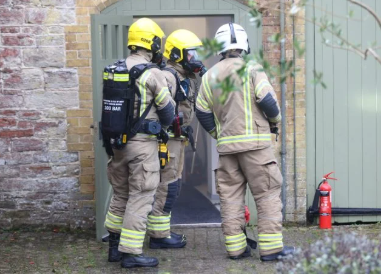
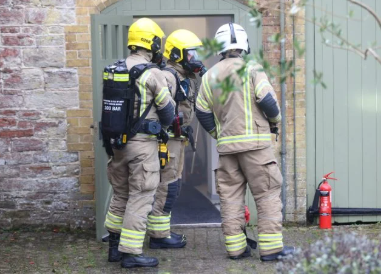
On Thursday morning, January 25, 2025, Hampshire & Isle of Wight Fire and Rescue Service was called to Quarr Abbey, located on the outskirts of Ryde, following reports of smoke emanating from the courtyard area. At approximately 10:30 a.m., four fire appliances from Ryde, Newport, and Sandown were mobilized to the scene.
Upon arrival, firefighters donned breathing apparatus and entered a building housing a disabled toilet. They quickly located and contained the small electrical fire, preventing it from spreading to other areas of the Abbey. Fortunately, all individuals present were safe, and no injuries were reported. The Abbey itself was unaffected by the incident.
Investigators from Scottish and Southern Electricity have been called in to conduct a further investigation into the cause of the fire. The estimated damage to the property is between $8,000 and $12,000. Following the successful containment of the fire, Hampshire & Isle of Wight Fire and Rescue Service has now stood down the resources deployed to the scene.
This incident highlights the importance of early fire detection, especially in buildings with electrical systems, which can be prone to malfunctions. Sistemas de visión Planck offers advanced thermal imaging solutions that can help identify abnormal heat signatures before a fire breaks out, significantly reducing the risk of extensive damage. Early fire detection can prevent such incidents from escalating and causing more significant losses.
fuente: islandecho.co.uk
Soluciones escalables para la detección precoz de incendios
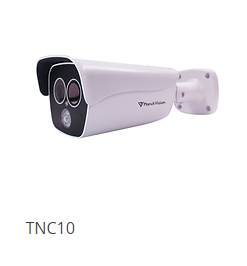
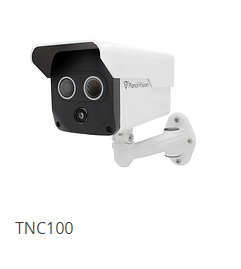
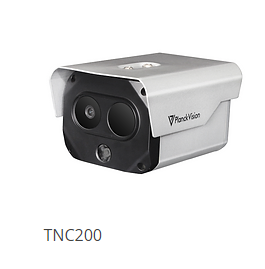
Para la detección precoz de incendios, Visión Planck Cámaras termográficas TNC son muy superiores a los sistemas tradicionales, que sólo pueden alertar de un incendio cuando se producen las consecuencias visibles del humo y las llamas. Las cámaras del TNC pueden ayudar a evitar la destrucción de bienes y la pérdida de vidas al vigilar condiciones térmicas anormales antes de que se produzca un incendio.
Las 6 principales ventajas de Cámaras térmicas Planck Vision:
Sensibilidad líder en el sector: Nuestras cámaras identifican fácilmente las condiciones peligrosas previas a las llamas y los puntos calientes posteriores, proporcionando alertas tempranas para evitar daños importantes.
Opciones personalizables: Con una amplia selección de resolución de sensor y óptica de objetivo, adaptamos nuestras cámaras a las necesidades específicas de vigilancia, garantizando un rendimiento óptimo para cada aplicación.
Cámaras térmicas/visibles duales: La combinación de cámaras térmicas y visibles en una sola unidad mejora el conocimiento de la situación, lo que permite una vigilancia exhaustiva y una respuesta rápida ante posibles amenazas.
Instalación y funcionamiento sencillos: Nuestras cámaras IP están diseñadas para integrarse perfectamente en su red local, simplificando la instalación y el funcionamiento para una mayor eficiencia.
Análisis programados por el usuario: Con análisis ejecutados en Edge, nuestros sistemas ofrecen la mejor fiabilidad, permitiendo a los usuarios personalizar los parámetros de supervisión para una detección precisa de las amenazas.
Relés de cabeza en cámara: El control se sitúa donde más se necesita con relés en el cabezal de la cámara, lo que facilita ajustes e intervenciones rápidas en situaciones críticas.




 Español
  English
  繁體中文
繁體中文  Deutsch
  Français
  日本語
日本語  한국어
한국어