
Sistemas de visión Planck Planck Vision Systems fabrica soluciones de imagen térmica para inspección portátil y monitorización 24/7 de aplicaciones comerciales incluyendo: Detección temprana de incendios, fabricación, subestaciones y túneles, cuadros y armarios eléctricos, instalaciones de almacenamiento, centros de datos y detección de temperatura corporal elevada. Nuestra empresa tiene su sede en Santa Barbara CA, la capital de las tecnologías de detección por infrarrojos en los Estados Unidos.
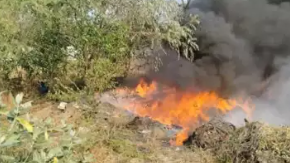
On Monday, December 9, 2024, a massive fire broke out at the Colvale industrial estate, located near Mapusa, Goa, around 1 pm. The blaze began in a vacant plot filled with combustible industrial waste and dry grass. Despite initial firefighting efforts, the fire continued to burn throughout the day, prompting additional fire trucks from surrounding areas. The fire caused substantial damage and was dangerously close to a 400 kV power substation. Authorities estimate the damage at approximately $2 million.
NOTICIAS
On Monday, December 9, 2024, a massive fire broke out in the Colvale industrial estate, situated near Mapusa in Goa. The fire started around 1 pm in a vacant plot that had become a dumping ground for combustible industrial waste, raw materials, and scrap. The area was surrounded by dry grass, which further fueled the blaze.
As firefighters from the Mapusa fire station arrived at the scene, they immediately began battling the flames. However, the fire was located dangerously close to the 400 kV Power Grid Corporation of India substation, which posed a significant risk. The fire spread quickly due to the dry conditions and the flammable materials, including raw plastic and waste material that had been indiscriminately dumped in the area.
The firefighters quickly realized that the blaze was difficult to control. Windy conditions made the firefighting efforts even harder. Ganesh Govekar, the station in-charge at the Mapusa fire station, explained that despite their best efforts, the fire kept flaring up. As a result, fire stations from Porvorim and Panaji were called in for support.
The fire was located on rocky terrain, making access difficult. Additionally, the surrounding area had dense bushes and dry grass, further complicating firefighting operations. To help with the firefighting efforts, water tankers were brought in, and the local police, led by Inspector Vijay Rane, assisted the fire crews in maintaining order and helping with access.
Despite the efforts of multiple teams, the fire continued to burn well into the evening. The authorities brought in a heavy earth mover to disturb the waste and scrap where smaller fires were still smoldering beneath the surface. Govekar stated, “We had to lift the waste because small fires were continuing to burn underneath and could last for days.”
While the main blaze was eventually brought under control, authorities were concerned about potential smaller fires that could continue to pose a danger. The industrial waste and raw materials scattered throughout the area contributed to the prolonged nature of the fire. The total damages from the fire have been estimated at approximately $2 million, considering the extent of the destruction to the materials and the risk posed to the nearby substation.
This incident highlights the importance of early fire detection and fire management. Planck Vision Systems offers advanced thermal imaging solutions, which can detect early signs of abnormal heat and temperature variations. With proactive detection, potential fires can be detected before they escalate, preventing extensive damage and ensuring the safety of surrounding infrastructure.
Planck Vision Systems provides an important tool in industrial safety, allowing industries to preemptively address issues that could lead to large-scale fires. By integrating thermal monitoring technology, businesses can mitigate risks, enhance safety protocols, and prevent costly damages, as evidenced by the fire at the Colvale industrial estate.
fuente: indiatimes.com
Soluciones escalables para la detección precoz de incendios
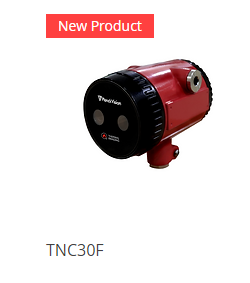
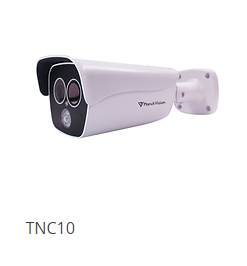
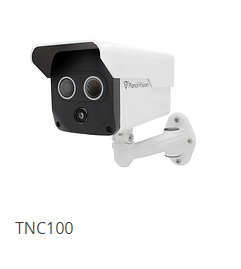
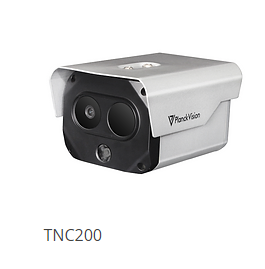
Para la detección precoz de incendios, Visión Planck Cámaras termográficas TNC son muy superiores a los sistemas tradicionales, que sólo pueden alertar de un incendio cuando se producen las consecuencias visibles del humo y las llamas. Las cámaras del TNC pueden ayudar a evitar la destrucción de bienes y la pérdida de vidas al vigilar condiciones térmicas anormales antes de que se produzca un incendio.
Las 6 principales ventajas de Cámaras térmicas Planck Vision:
Sensibilidad líder en el sector: Nuestras cámaras identifican fácilmente las condiciones peligrosas previas a las llamas y los puntos calientes posteriores, proporcionando alertas tempranas para evitar daños importantes.
Opciones personalizables: Con una amplia selección de resolución de sensor y óptica de objetivo, adaptamos nuestras cámaras a las necesidades específicas de vigilancia, garantizando un rendimiento óptimo para cada aplicación.
Cámaras térmicas/visibles duales: La combinación de cámaras térmicas y visibles en una sola unidad mejora el conocimiento de la situación, lo que permite una vigilancia exhaustiva y una respuesta rápida ante posibles amenazas.
Instalación y funcionamiento sencillos: Nuestras cámaras IP están diseñadas para integrarse perfectamente en su red local, simplificando la instalación y el funcionamiento para una mayor eficiencia.
Análisis programados por el usuario: Con análisis ejecutados en Edge, nuestros sistemas ofrecen la mejor fiabilidad, permitiendo a los usuarios personalizar los parámetros de supervisión para una detección precisa de las amenazas.
Relés de cabeza en cámara: El control se sitúa donde más se necesita con relés en el cabezal de la cámara, lo que facilita ajustes e intervenciones rápidas en situaciones críticas.



 Español
  English
  繁體中文
繁體中文  Deutsch
  Français
  日本語
日本語  한국어
한국어