
Sistemas de visión Planck Planck Vision Systems fabrica soluciones de imagen térmica para inspección portátil y monitorización 24/7 de aplicaciones comerciales incluyendo: Detección temprana de incendios, fabricación, subestaciones y túneles, cuadros y armarios eléctricos, instalaciones de almacenamiento, centros de datos y detección de temperatura corporal elevada. Nuestra empresa tiene su sede en Santa Barbara CA, la capital de las tecnologías de detección por infrarrojos en los Estados Unidos.
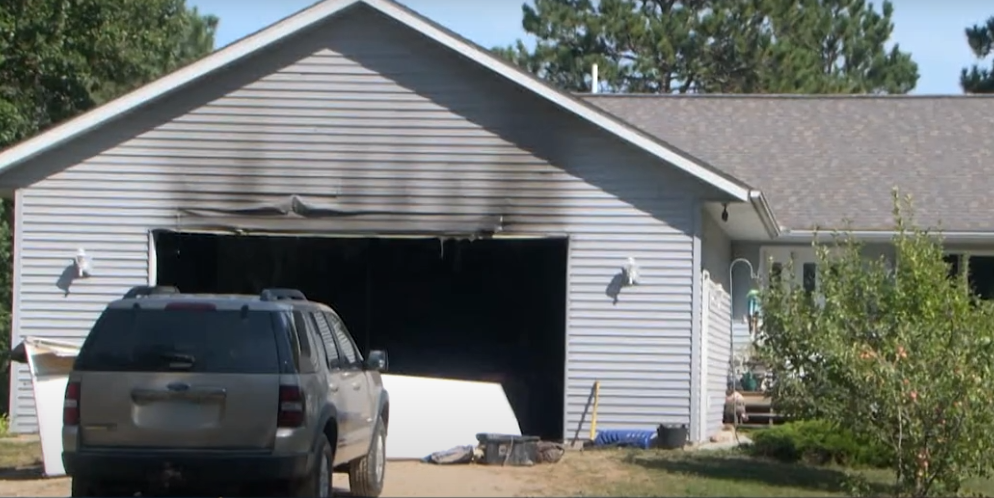
On September 6, 2024, at 2:04 AM, a fire severely damaged the garage of a residential home in Liberty Township, north of Bemidji. When firefighters arrived, heavy smoke was observed coming from the garage. After about two hours of effort, the fire was brought under control. While the interior of the home sustained minimal damage, the garage and its contents suffered an estimated loss of $40,000 to $50,000. The cause of the fire is still under investigation but is believed to be accidental, with no injuries reported.
NOTICIAS
In the early morning of September 6, 2024, a fire caused significant damage to the garage of a residential home north of Bemidji in Liberty Township. The Bemidji Fire Department reported that they received a call at 2:04 AM about a structure fire at 13000 Beaver Lodge Lane.
Upon arrival, firefighters observed heavy smoke coming from the attached garage and quickly began their offensive operations using a 1-3/4 inch handline, discovering a substantial fire.
A total of 24 firefighters and 10 pieces of equipment were deployed to the scene, and after approximately two hours of intense effort, the blaze was brought under control. While the interior of the home sustained only minimal damage, the garage and all its contents were heavily damaged.
The estimated financial loss is currently between $40,000 and $50,000. The cause of the fire is still under investigation but is believed to be accidental, with no indications of arson or other external factors. Fortunately, no injuries were reported.
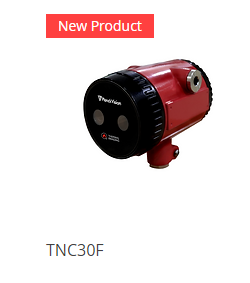
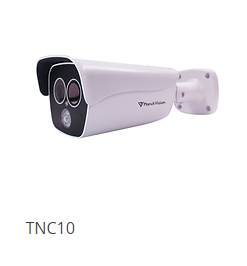
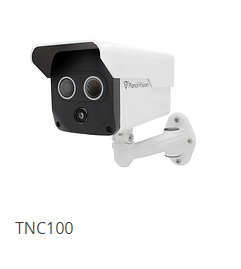
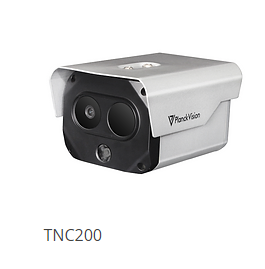
Early fire detection systems are crucial in preventing and mitigating such incidents. Planck Vision TNC thermal imaging cameras offer significant advantages over traditional systems, providing early warnings before smoke and flames become visible by monitoring for abnormal heat conditions.
This advanced technology greatly enhances fire detection capabilities, helping to prevent property loss and safeguard lives in residential and other high-risk areas.
fuente: lptv.org
Soluciones escalables para la detección precoz de incendios
Para la detección precoz de incendios, Visión Planck Cámaras termográficas TNC son muy superiores a los sistemas tradicionales, que sólo pueden alertar de un incendio cuando se producen las consecuencias visibles del humo y las llamas. Las cámaras del TNC pueden ayudar a evitar la destrucción de bienes y la pérdida de vidas al vigilar condiciones térmicas anormales antes de que se produzca un incendio.
Las 6 principales ventajas de Cámaras térmicas Planck Vision:
Sensibilidad líder en el sector: Nuestras cámaras identifican fácilmente las condiciones peligrosas previas a las llamas y los puntos calientes posteriores, proporcionando alertas tempranas para evitar daños importantes.
Opciones personalizables: Con una amplia selección de resolución de sensor y óptica de objetivo, adaptamos nuestras cámaras a las necesidades específicas de vigilancia, garantizando un rendimiento óptimo para cada aplicación.
Cámaras térmicas/visibles duales: La combinación de cámaras térmicas y visibles en una sola unidad mejora el conocimiento de la situación, lo que permite una vigilancia exhaustiva y una respuesta rápida ante posibles amenazas.
Instalación y funcionamiento sencillos: Nuestras cámaras IP están diseñadas para integrarse perfectamente en su red local, simplificando la instalación y el funcionamiento para una mayor eficiencia.
Análisis programados por el usuario: Con análisis ejecutados en Edge, nuestros sistemas ofrecen la mejor fiabilidad, permitiendo a los usuarios personalizar los parámetros de supervisión para una detección precisa de las amenazas.
Relés de cabeza en cámara: El control se sitúa donde más se necesita con relés en el cabezal de la cámara, lo que facilita ajustes e intervenciones rápidas en situaciones críticas.



 Español
  English
  繁體中文
繁體中文  Deutsch
  Français
  日本語
日本語  한국어
한국어