

Planck Vision Systems manufactures thermal imaging solutions for portable inspection and 24/7 monitoring of commercial applications including: Early Fire Detection, Manufacturing, Substations and Tunnels, Electrical Panel/Cabinets, Storage Facilities, Data Centers and Elevated Body Temperature Screening. Our company is headquartered in Santa Barbara CA, the capital of infrared sensing technologies in the United States.
On 2024/08/26, a fire damaged 102 storage units at a facility on Arapahoe Avenue, Boulder. The blaze started at 1:09 a.m., with 14 units affected by flames and 88 by smoke and suppression. The cause is under investigation. No injuries were reported, but several units contained personal belongings and cars. Traffic was closed between 2 a.m. and 6:48 a.m. Firefighters used special equipment for extinguishment and removal of items. Boulder Fire-Rescue and other agencies were involved in the response.
NEWS
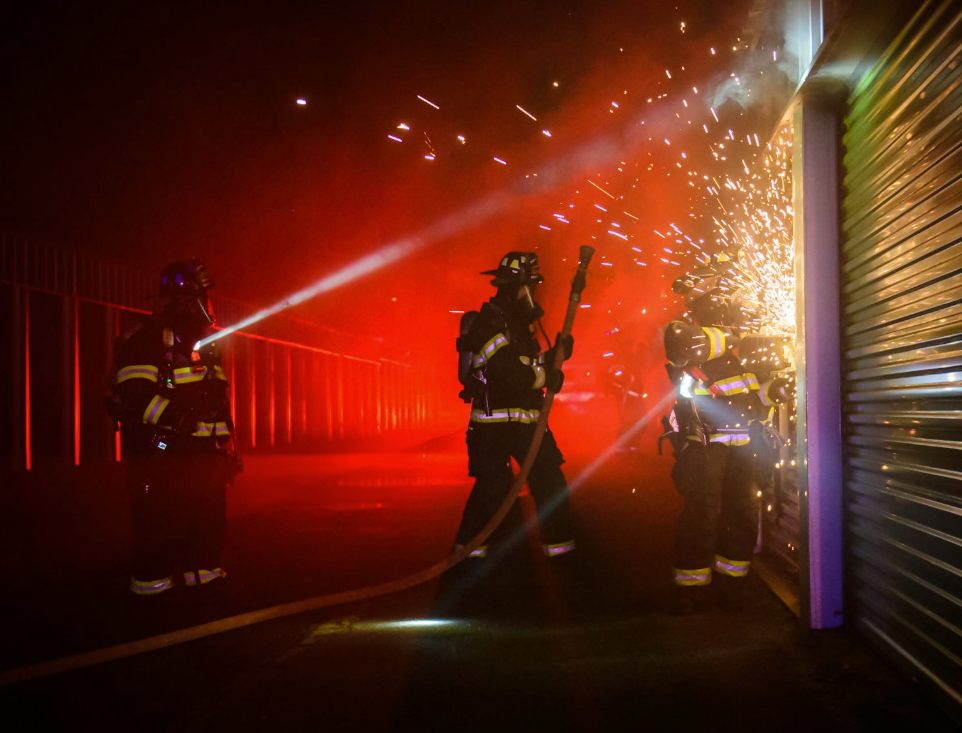
A total of 102 storage units have reportedly been damaged in a fire that broke out early Monday morning on 2024/08/26.
According to Boulder police spokeswoman Dionne Waugh, at 1:09 a.m. crews were called to a storage facility in the 5800 block of Arapahoe Avenue on a second-alarm structure fire. Waugh wrote that 14 units were damaged by fire and an additional 88 units were damaged by smoke and fire suppression. The cause remains under investigation.
Posts by Boulder Fire-Rescue indicate that Arapahoe Avenue between 55th Street and Cherryvale Road was closed from about 2 a.m. to 6:48 a.m. Monday. Fortunately, no injuries were reported. Of the units damaged by fire, one was “packed to the brim,” while 20 of the 88 smoke-damaged units were empty. The storage company is working on notifying owners of the affected units.
Firefighters used special equipment, including a remote-controlled mini dozer, a small dozer, an excavator, and a skid steer, to assist with extinguishment and removal of items. Boulder Fire-Rescue, along with Louisville and Lafayette fire battalion chiefs and a Mountain View Fire Rescue engine, responded to the scene. Boulder Rural and Mountain View Fire Rescue covered calls in the city during this time.
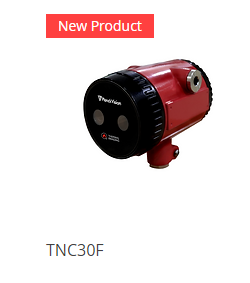
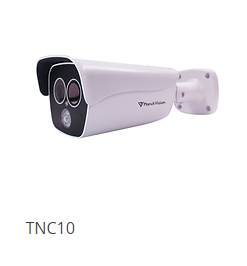
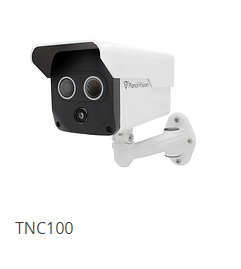
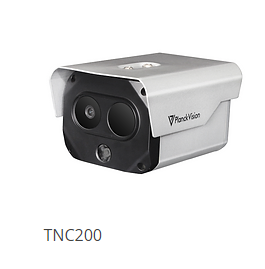
This incident highlights the urgent need for advanced fire detection technologies. Traditional systems often detect fires only after visible signs like smoke or flames appear, which can result in significant damage. Planck Vision TNC thermal imaging cameras offer a superior solution by identifying abnormal heat conditions before a fire becomes visible. Implementing TNC cameras could help prevent such extensive damage by allowing for earlier intervention, potentially reducing property loss and safeguarding lives.
source:firerescue1.com
Scalable Solutions for Early Fire Detection
For early fire detection, Planck Vision TNC thermal imaging cameras are far superior to traditional systems that can alert to fire only after the visible consequences of smoke and flame are present. TNC cameras can help to prevent the destruction of goods and loss of life by surveilling for abnormal heat conditions before fires erupt.
Top 6 Advantages of Planck Vision Thermal Cameras:
Industry-Leading Sensitivity: Our cameras easily identify dangerous pre-flame conditions and post-flame hotspots, providing early warnings to prevent extensive damage.
Customizable Options: With a wide selection of sensor resolution and lens optics, we tailor our cameras to suit specific surveillance needs, ensuring optimal performance for every application.
Dual Thermal/Visible Cameras: Combining thermal and visible cameras in one unit enhances situational awareness, allowing for comprehensive monitoring and swift response to potential threats.
Easy Installation and Operation: Our IP cameras are designed for seamless integration into your local network, simplifying installation and operation for enhanced efficiency.
User-Programmed Analytics: With analytics running on Edge, our systems offer the best reliability, empowering users to customize monitoring parameters for precise threat detection.
On-Camera Head Relays: Control is placed where it’s needed most with on-camera head relays, facilitating quick adjustments and interventions in critical situations.



 English
  繁體中文
繁體中文  Deutsch
  Español
  Français
  日本語
日本語  한국어
한국어