
Planck Vision Systeme Planck Vision Systems stellt Wärmebildlösungen für die mobile Inspektion und 24/7-Überwachung kommerzieller Anwendungen her, darunter: Brandfrüherkennung, Fertigung, Umspannwerke und Tunnel, elektrische Schalttafeln/Schränke, Lagereinrichtungen, Rechenzentren und Screening erhöhter Körpertemperaturen. Der Hauptsitz unseres Unternehmens befindet sich in Santa Barbara, Kalifornien, der Hauptstadt der Infrarotsensorik in den Vereinigten Staaten.
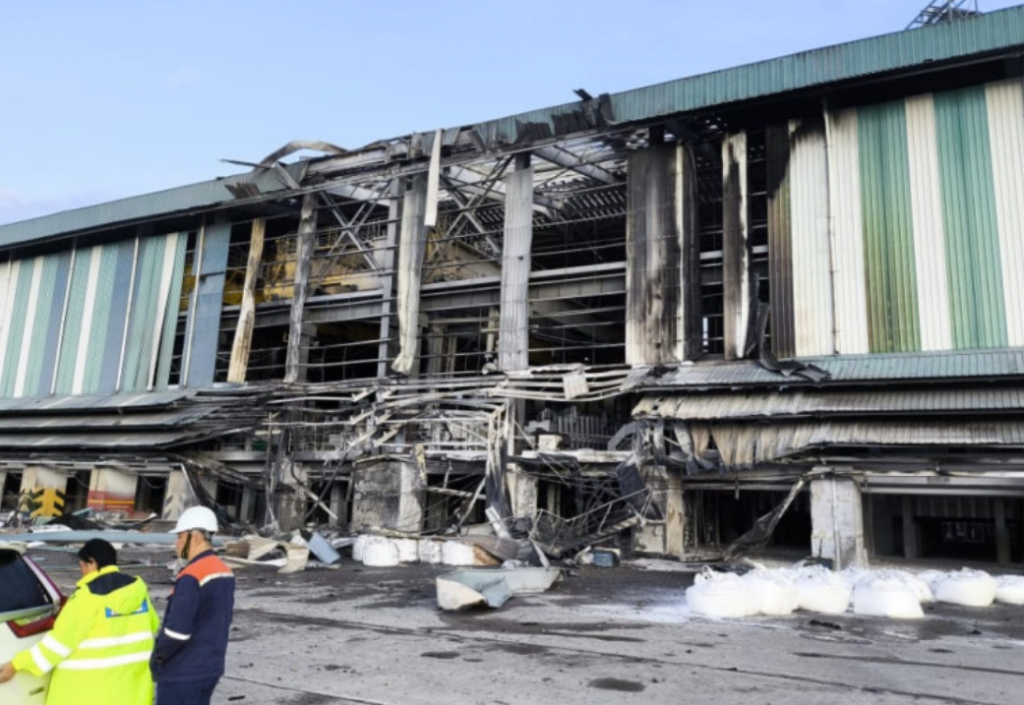
At midnight on September 10, 2024, a fire broke out at an aluminum processing plant in the Samalaju heavy industrial estate in northern Sarawak, resulting in a violent explosion that destroyed part of the facility. The fire was contained by 2:30 a.m., with estimated losses reaching 5 million Malaysian Ringgit. Preliminary investigations suggest that the fire may have been caused by equipment failure and high-temperature smelting processes. This incident marks the second fire in the industrial estate within three weeks, prompting calls for comprehensive monitoring of chemical pollutants.
NEWS
A fire broke out at an aluminum processing plant in the Samalaju heavy industrial estate in northern Sarawak last night, resulting in a violent explosion that destroyed part of the processing complex.
The incident occurred around midnight, and the fire was contained by 2:30 a.m., with the Sarawak Fire and Rescue Department safely evacuating dozens of workers from the site.
Preliminary investigations suggest that the cause of the fire may be linked to equipment failure and the high temperatures generated during the aluminum smelting process. The estimated losses from this incident could reach up to 5 million Malaysian Ringgit, which would have a significant impact on the local economy.
Authorities have begun assessing any potential threats to air and environmental quality and have called for comprehensive environmental monitoring.
The fire department noted that molten aluminum cannot be extinguished with water due to its extreme temperature, as using water could lead to even worse consequences. Additionally, the environmental authorities have been requested to assist in checking for harmful chemical pollutants that may have been released following the incident.
This fire marks the second incident in the Samalaju heavy industrial estate in the past three weeks. A fire on August 16 had already resulted in the deaths of two workers and hospitalized eight others.
Local politicians have expressed concerns and called for a thorough analysis of the risks associated with chemical pollutants.
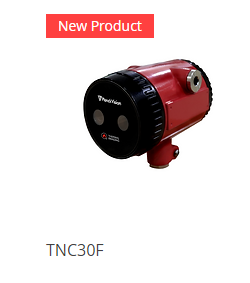
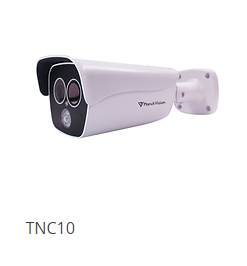
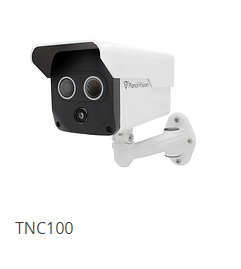
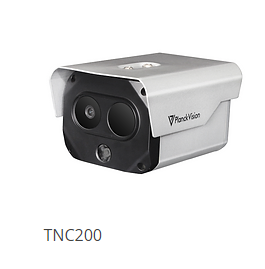
To prevent similar incidents in the future, the government is considering implementing more advanced fire detection technologies. For instance, Planck Vision TNC thermal imaging cameras can detect abnormal heat conditions before smoke and flames are visible, enabling early fire detection.
Compared to traditional fire alarm systems, TNC cameras can more effectively prevent property loss and loss of life.
Against this backdrop, enhancing safety management measures in the industrial estate is crucial, and future preventive and emergency response efforts will increasingly rely on technological advancements.
Quelle: thevibes.com
Skalierbare Lösungen für die Brandfrüherkennung
Zur Brandfrüherkennung, Planck-Vision TNC-Wärmebildkameras sind herkömmlichen Systemen, die erst bei sichtbaren Rauch- und Flammenerscheinungen Alarm schlagen können, weit überlegen. TNC-Kameras können dazu beitragen, die Zerstörung von Gütern und den Verlust von Menschenleben zu verhindern, indem sie anormale Wärmebedingungen überwachen, bevor ein Feuer ausbricht.
Top 6 Vorteile von Planck Vision Wärmebildkameras:
Branchenführende Sensibilität: Unsere Kameras können gefährliche Zustände vor der Flamme und Hotspots nach der Flamme leicht erkennen und frühzeitig warnen, um größere Schäden zu verhindern.
Anpassbare Optionen: Mit einer großen Auswahl an Sensorauflösungen und Objektivoptiken passen wir unsere Kameras an die jeweiligen Überwachungsanforderungen an und gewährleisten so eine optimale Leistung für jede Anwendung.
Duale Wärmebild-/Sichtkameras: Die Kombination von Wärmebild- und sichtbaren Kameras in einem Gerät verbessert das Situationsbewusstsein und ermöglicht eine umfassende Überwachung und schnelle Reaktion auf potenzielle Bedrohungen.
Einfache Installation und Bedienung: Unsere IP-Kameras sind so konzipiert, dass sie sich nahtlos in Ihr lokales Netzwerk integrieren lassen, was die Installation und den Betrieb vereinfacht und die Effizienz erhöht.
Benutzerprogrammierte Analytik: Dank der auf Edge ausgeführten Analysen bieten unsere Systeme höchste Zuverlässigkeit und ermöglichen es den Benutzern, die Überwachungsparameter für eine präzise Bedrohungserkennung anzupassen.
Kopf-Relais auf der Kamera: Die Steuerung erfolgt dort, wo sie am dringendsten benötigt wird, mit Relais am Kamerakopf, die schnelle Anpassungen und Eingriffe in kritischen Situationen ermöglichen.



 Deutsch
  English
  繁體中文
繁體中文  Español
  Français
  日本語
日本語  한국어
한국어