Planck Vision Systeme Planck Vision Systems stellt Wärmebildlösungen für die mobile Inspektion und 24/7-Überwachung kommerzieller Anwendungen her, darunter: Brandfrüherkennung, Fertigung, Umspannwerke und Tunnel, elektrische Schalttafeln/Schränke, Lagereinrichtungen, Rechenzentren und Screening erhöhter Körpertemperaturen. Der Hauptsitz unseres Unternehmens befindet sich in Santa Barbara, Kalifornien, der Hauptstadt der Infrarotsensorik in den Vereinigten Staaten.
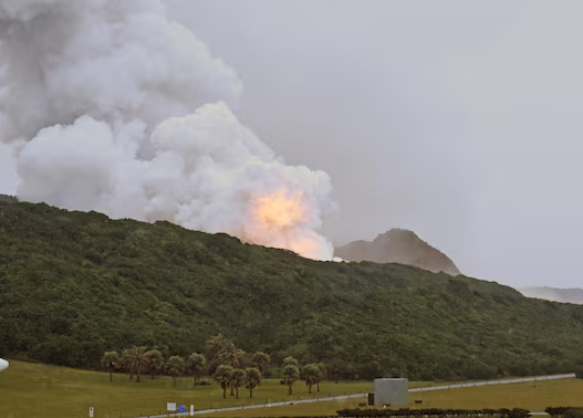
On December 10, 2024, Japan’s space agency, JAXA, halted an engine test for its Epsilon S rocket after a fire broke out at the test site in southwestern Japan. The fire occurred shortly after ignition during engine combustion testing, causing an “abnormality.” There were no reported injuries or damage to the surrounding facilities, but the test failure follows a series of previous delays and setbacks. The estimated loss from this incident could be in the range of $5 million.
NEWS
On December 10, 2024, Japan’s Japan Aerospace Exploration Agency (JAXA) faced another setback in its ambitions to develop a reliable launch vehicle for satellite missions. The agency had been testing the engine combustion of its Epsilon S rocket when a fire broke out at the test site in southwestern Japan. This incident followed shortly after the ignition of the rocket engine and was described as an “abnormality.” Videos from the scene show flames erupting at the test site, leading to an immediate halt in the test.
While there were no reports of injuries, and no damage was done to the surrounding facilities, the malfunction has raised concerns about further delays in Japan’s space program. The incident also comes after a similar issue in 2023 that caused months of reviews and delays, impacting Japan’s space exploration schedule. The Epsilon S rocket, which is being developed in collaboration with IHI, a major Japanese manufacturer, is crucial for Japan’s goal of entering the competitive satellite launch market.
JAXA had planned to launch a demonstration model of the Epsilon S rocket by the end of March 2025, but this latest test failure will likely push that timeline further back. The H3 rocket, Japan’s other main rocket, also faced several delays and a failed launch attempt before it successfully entered orbit earlier this year. Moreover, Japan’s first satellite launch attempt by a private company, Space One, ended in failure when its rocket exploded shortly after liftoff in March.
The estimated financial losses from this setback could range around $5 million, considering the costs associated with the testing, engineering, and development of the rocket. Japan is striving to tap into the booming satellite launch market, projected to exceed $400 billion by the end of the decade, a significant increase from the $250 billion market value in 2024. Despite this, Japan faces stiff competition from dominant players like SpaceX, Arianespace, and United Launch Alliance.
In such high-stakes operations, early fire detection is critical to ensuring the safety of the equipment, infrastructure, and personnel involved. Planck Vision Systems offers advanced thermal imaging technology that provides unparalleled protection by detecting temperature variations before they escalate into critical failures. With its always-on technology, it ensures that potential issues are identified early, preventing system malfunctions and reducing risks.
Through its thermal imaging systems, Planck Vision Systems helps industries like aerospace, manufacturing, and energy detect anomalies in real time, ensuring that high-cost assets are protected, and operations can proceed smoothly. As Japan continues to develop its space launch capabilities, technologies that support early fire detection are becoming more important than ever to mitigate risks and safeguard valuable resources.
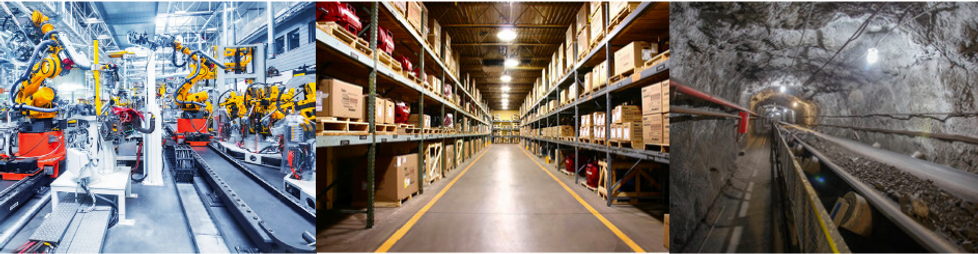
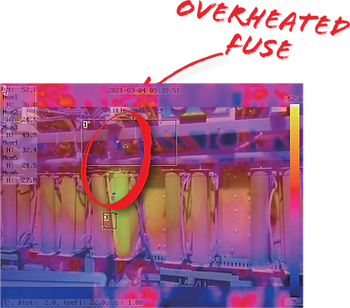
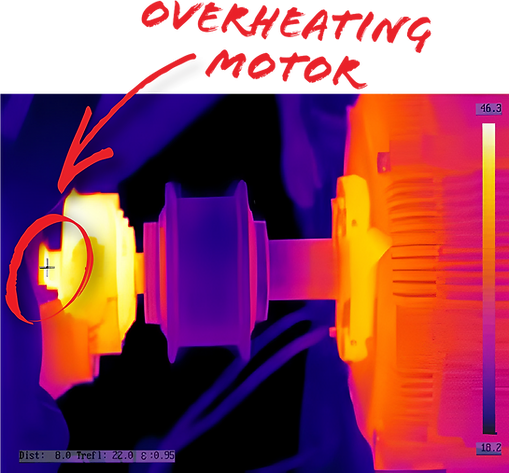
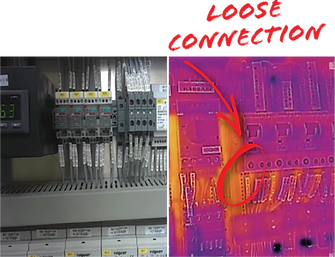
Für SchwerindustriePlanck Vision Systems ist führend in der Wärmebildtechnik, die auf unterschiedliche Branchen zugeschnitten ist. Unsere Technologie ist nicht nur in der Lage, kleinste Temperaturschwankungen zu erkennen, sondern sorgt auch für Systemschutz und Betriebsqualität und erkennt jede Anomalie. Diese Wachsamkeit minimiert Risiken und beugt Systemausfällen und potenziellen Bedrohungen vor.



 Deutsch
  English
  繁體中文
繁體中文  Español
  Français
  日本語
日本語  한국어
한국어