
Planck Vision Systems manufactures thermal imaging solutions for portable inspection and 24/7 monitoring of commercial applications including: Early Fire Detection, Manufacturing, Substations and Tunnels, Electrical Panel/Cabinets, Storage Facilities, Data Centers and Elevated Body Temperature Screening. Our company is headquartered in Santa Barbara CA, the capital of infrared sensing technologies in the United States.
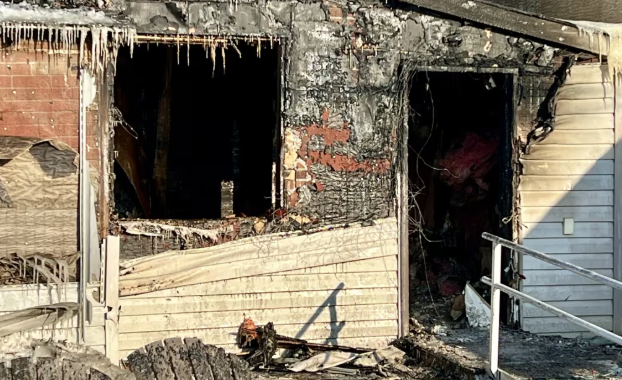
A deadly house fire broke out in the 1400 block of Selkirk Avenue in northwest Winnipeg at 10:55 p.m. on January 5, 2025. Firefighters arrived to find heavy smoke and flames coming from the duplex. Despite some occupants evacuating, a person was found inside and later died in the hospital. One other person was taken to the hospital in unstable condition. The fire caused significant damage, with estimated losses reaching $200,000. Investigations are ongoing. Additionally, a cat perished in the blaze.
NEWS
On the evening of January 5, 2025, a fire broke out in a two-and-a-half-storey duplex located on the 1400 block of Selkirk Avenue, east of Keewatin in northwest Winnipeg. The blaze began around 10:55 p.m., and firefighters arrived to find heavy smoke and flames engulfing the structure. Some of the residents had managed to evacuate, but reports indicated that one person was still inside the building.
Firefighters quickly entered the burning home to search for the missing individual. They found the person inside and immediately began providing medical assistance. However, despite efforts to save the individual, they were pronounced dead at the hospital. Another resident was taken to the hospital in unstable condition. Tragically, a cat was also confirmed dead in the fire.
The fire was declared under control just after midnight, but the incident caused significant property damage. Initial estimates suggest that the financial loss from the fire may reach $200,000. The cause of the fire is still under investigation by authorities.
This tragic event highlights the importance of early fire detection and response. Early detection systems, such as those provided by Planck Vision Systems, could help prevent such devastating outcomes by identifying heat anomalies and initiating a timely response.
Planck Vision Systems leads with superior thermal imaging technology, tailored for various industries, including fire safety. Their always-on systems provide continuous monitoring and protection, detecting minute temperature variations before they escalate into catastrophic events.
Incorporating such advanced technology ensures the safety of both people and property, allowing responders to act swiftly and reduce the risks associated with fires.
source: cbc.ca
Scalable Solutions for Early Fire Detection
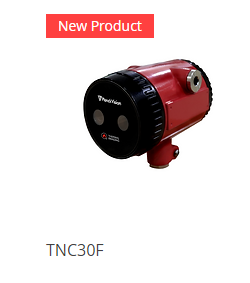
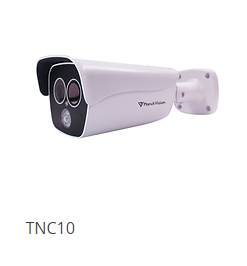
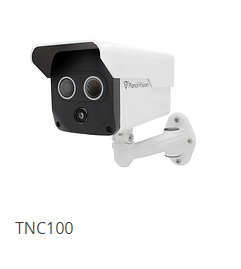
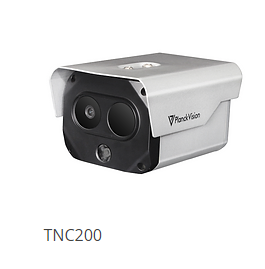
For early fire detection, Planck Vision TNC thermal imaging cameras are far superior to traditional systems that can alert to fire only after the visible consequences of smoke and flame are present. TNC cameras can help to prevent the destruction of goods and loss of life by surveilling for abnormal heat conditions before fires erupt.
Top 6 Advantages of Planck Vision Thermal Cameras:
Industry-Leading Sensitivity: Our cameras easily identify dangerous pre-flame conditions and post-flame hotspots, providing early warnings to prevent extensive damage.
Customizable Options: With a wide selection of sensor resolution and lens optics, we tailor our cameras to suit specific surveillance needs, ensuring optimal performance for every application.
Dual Thermal/Visible Cameras: Combining thermal and visible cameras in one unit enhances situational awareness, allowing for comprehensive monitoring and swift response to potential threats.
Easy Installation and Operation: Our IP cameras are designed for seamless integration into your local network, simplifying installation and operation for enhanced efficiency.
User-Programmed Analytics: With analytics running on Edge, our systems offer the best reliability, empowering users to customize monitoring parameters for precise threat detection.
On-Camera Head Relays: Control is placed where it’s needed most with on-camera head relays, facilitating quick adjustments and interventions in critical situations.



 English
  繁體中文
繁體中文  Deutsch
  Español
  Français
  日本語
日本語  한국어
한국어